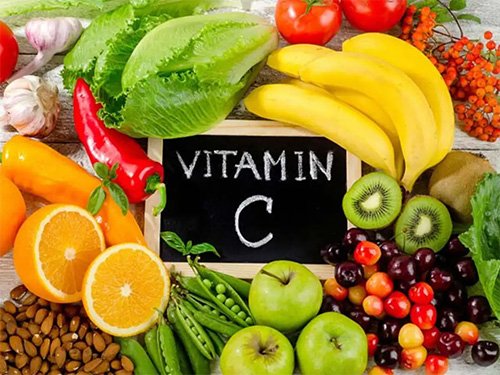
Vitamin-C: The kidneys are a vital organ in our body, responsible for filtering blood and removing toxins. They keep our body detoxified. However, in recent years, there has been a rapid increase in kidney-related diseases. The reasons behind this include poor diet, an incorrect lifestyle, and some habits people consider beneficial, such as the excessive consumption of Vitamin C supplements.
Why Did the Demand for Vitamin C Increase?
During the COVID-19 pandemic, awareness about boosting immunity grew rapidly. This period saw a kind of craze for Vitamin C. Many people started regularly taking Vitamin C tablets to strengthen their immune systems. In reality, natural sources like lemon, amla (Indian gooseberry), orange, kiwi, and guava were sufficient to meet this need. However, the excessive consumption of supplements led to very high levels of Vitamin C in the body, which started increasing kidney-related problems.
Is it True That Vitamin C Can Damage Kidneys?
Consuming Vitamin C in excessive amounts can indeed harm the kidneys. According to a study published in the medical journal Cureus, kidney diseases increased in many people after the COVID pandemic, and one reason found was the overconsumption of Vitamin C supplements. Particularly in men, more cases of kidney failure and kidney stones were reported. These stones are not only painful but also require a long time to treat.
What is the Doctors’ Opinion?
Dr. Sood says that consuming Vitamin C to boost the body’s immunity is correct, but every person’s physical needs are different. Therefore, taking any supplement without a doctor’s advice can be dangerous. It is safe to take medicine or supplements only under a doctor’s consultation and supervision.
Diseases That Can Result from Excess Vitamin C
Kidney Stones and Failure: An excess of Vitamin C in the body primarily affects the kidneys. It increases the likelihood of stone formation and kidney failure.
Iron Overload: Excess Vitamin C also increases the absorption of iron in the body, leading to a condition of iron overload. This can damage organs like the heart and liver.
Sleep-Related Issues: High Vitamin C can affect sleep quality and may increase the problem of insomnia.
Other Side Effects: Problems such as skin rashes, digestive issues, and tooth sensitivity can also occur.
Disclaimer: This information is for educational purposes only. Please consult a healthcare professional for medical advice.