U.S.–China Tensions:
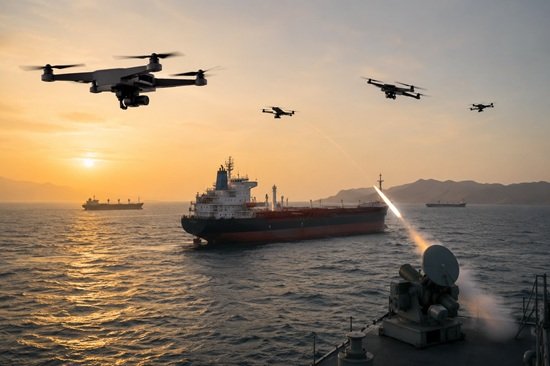
Tensions between the world’s two major powers — the United States and China — have remained high in recent months, especially over trade tariffs and strategic security concerns. There have even been moments when fears of possible military confrontation surfaced. In a significant development aimed at reducing friction, both nations have now agreed to open a military-to-military communication channel.
This new channel will allow direct communication between the armed forces of the two countries. Officials believe this step will improve cooperation, reduce geopolitical tensions, and help prevent misunderstandings that could escalate into conflict.
U.S. Secretary of Defense Pete Hegseth confirmed that he met with China’s Minister of National Defense, Admiral Dong Jun. During the meeting, both leaders agreed to strengthen communication, ensure stability in bilateral ties, and address emerging security issues through direct military interaction.
What is a “Military-to-Military Channel”?
A military-to-military communication channel is a direct line of contact established between the armed forces of two or more nations.
Its primary goals are:
- Prevent military risks and accidental escalation
- Strengthen transparency and build trust
- Ensure effective communication during crises
- Avoid misinterpretations of defense activities
Such mechanisms are widely considered essential for peace and stability, especially among powerful nations with competing interests.
Context Behind the Decision
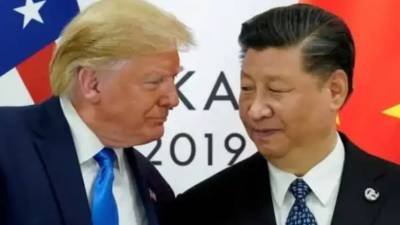
Recently, during a summit in China, Indian Prime Minister Narendra Modi, Russian President Vladimir Putin, and Chinese President Xi Jinping were seen together — a meeting that attracted global attention. Former U.S. President Donald Trump had also objected to China giving diplomatic preference to Russia.
Following rising disagreements, the United States announced increased tariffs on several Chinese products, further straining relations. After months of conflict-laden exchanges, the U.S. Department of Defense has stepped forward to stabilize the situation.
This agreement marks an important step toward preventing any unintended confrontation between the two nations — and keeping global peace efforts on track.