Trump Administration Targets ‘Censors’: New Visa Directive Bars Fact-Checkers and Content Moderators from U.S. Entry
New Delhi, December 8, 2025 (BNN Web Staff)–
In a sweeping crackdown on what it deems threats to American free speech, the Trump administration has issued a confidential State Department memo directing U.S. embassies worldwide to deny visas to foreign professionals involved in fact-checking, content moderation, or online safety roles. The policy, obtained by Reuters and first reported by NPR, is poised to hit tech talent from countries like India hardest, where thousands of H-1B visa applicants work in these fields at global giants like Google, Meta, and Microsoft.
The directive, circulated to consular posts on December 2, mandates “thorough exploration” of applicants’ backgrounds – including resumes, LinkedIn profiles, social media activity, and media mentions – for any involvement in “censorship or attempted censorship of protected expression in the United States.” This includes combating misinformation, disinformation, fact-checking, compliance, trust and safety, or addressing harmful content like child sexual abuse material (CSAM) and antisemitism. The rule applies to all visa categories, from H-1B work visas (popular among Indian IT specialists) to tourist and journalist visas, potentially derailing careers and family reunions overnight.
The Memo’s Key Provisions
- Targeted Scrutiny: Consular officers must flag applicants with past or current roles in “content moderation, fact-checking, or other activities the Trump administration considers ‘censorship’ of Americans’ speech.”
- Broad Scope: No exemptions for life-saving work, such as preventing scams, sextortion, or CSAM – efforts experts say are essential for user protection.
- Global Reach: Affects applicants from any country, but Indian tech workers – who filed over 70% of H-1B petitions in 2025 – face the biggest blow, with visa wait times already stretching 2–3 years.
- Evidence Threshold: A single LinkedIn entry or article mention could trigger ineligibility, without appeal rights under the new vetting process.
This builds on a September 19 presidential proclamation that slapped a $100,000 fee on new H-1B petitions filed abroad and ramped up scrutiny, signaling a broader war on Big Tech’s global workforce.
Free Speech Defense or Chilling Effect?
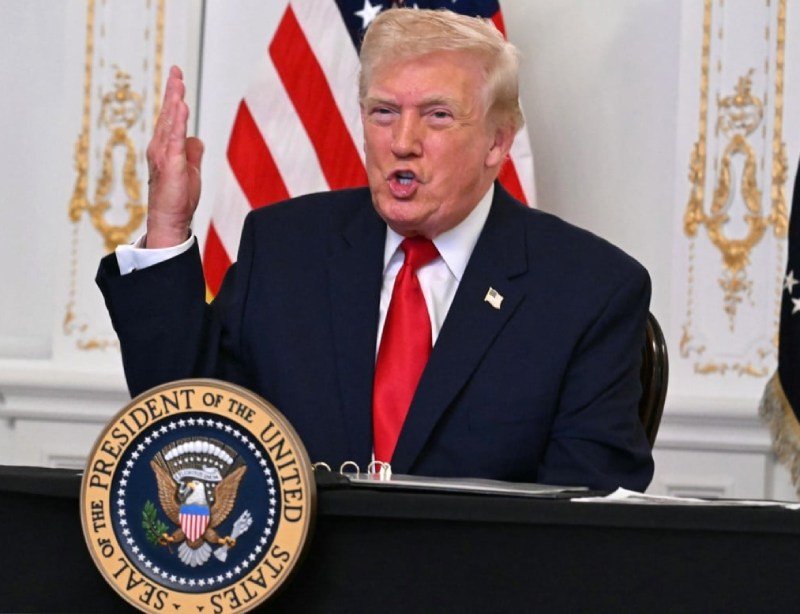
The White House frames the policy as a bulwark against “foreigners muzzling Americans,” explicitly referencing President Trump’s 2021 social media bans after the January 6 Capitol riot. A State Department spokesperson told The Guardian: “The Administration has made clear that it defends Americans’ freedom of expression against foreigners who wish to censor them. We do not support aliens coming to the US to work as censors muzzling Americans. Allowing foreigners to lead this type of censorship would both insult and injure the American people.”
Secretary of State Marco Rubio echoed this in a May X post: “Foreigners who work to undermine the rights of Americans should not enjoy the privilege of travelling to our country. Whether in Latin America, Europe, or elsewhere, the days of passive treatment for those who work to undermine the rights of Americans are over.”
Critics, however, decry it as a dangerous conflation of safety with suppression. Alice Goguen Hunsberger, VP of trust and safety at PartnerHero, told NPR: “I’m alarmed that trust and safety work is being conflated with ‘censorship’. Trust and safety is a broad practice which includes critical and life-saving work to protect children and stop child sexual abuse material, as well as preventing fraud, scams, and sextortion. Having global workers at tech companies in trust and safety absolutely keeps Americans safer.”
Carrie DeCell of Columbia University’s Knight First Amendment Institute added: “People who study misinformation and work on content-moderation teams aren’t engaged in ‘censorship’ — they’re engaged in activities that the First Amendment was designed to protect.” The policy could even snag UK officials enforcing the Online Safety Act 2023, which fines platforms for issues like cyberflashing and self-harm promotion.
Broader Assault on Media and Dissent
This isn’t isolated. In 2025 alone, the administration:
- Restricted visas for foreign journalists.
- Scrubbed climate change references from government sites.
- Banned reporters from White House briefings.
- Sued media outlets over “bias.”
With H-1B approvals already down 15% year-over-year amid Trump’s tech tariffs and “America First” hiring mandates, Indian firms like Infosys and TCS warn of a “brain drain reversal” – potentially costing the U.S. economy $50 billion in lost innovation.
As one New Delhi visa consultant put it: “For Indian engineers, this isn’t just a red flag – it’s a wall.” Tech lobbies are scrambling for exemptions, but with Trump’s term in full swing, the message is clear: Enter at your own risk – especially if you’ve ever hit “delete” on a tweet.