Washington, D.C (US), July 26, 2026, BNN Web Staff: US President Donald Trump has reportedly paused plans for a broader military offensive against Iran after senior defence officials warned that expanding operations could significantly deplete the Pentagon’s stockpile of air defence missiles in the Middle East.
According to The New York Times, top military commanders advised the administration that a large-scale campaign against Iran could leave US forces, Gulf allies and key military installations vulnerable by exhausting supplies of Patriot interceptor missiles and other air defence systems.
The report said discussions among senior White House officials and military leaders centred on dwindling missile inventories, with concerns growing after an earlier attack in Jordan in which three US service members were killed when a ballistic missile breached American defences during an Iranian drone and missile assault.
Chairman of the Joint Chiefs of Staff, General Dan Caine, reportedly told senior officials that while the US military had the capability to carry out expanded strikes, doing so would place significant strain on interceptor stocks assigned to US Central Command.
Responding to the report, White House Communications Director Steven Cheung said President Trump continues to favour a diplomatic solution but retains “all options” if Iran escalates attacks in the Strait of Hormuz or targets US allies. He also urged Iran to pursue negotiations, warning that failure to do so could result in further consequences.
The report stated that the Pentagon has recently deployed additional troops, weapons and military equipment to the Middle East as a precaution against any potential escalation. US forces have also reportedly targeted transport infrastructure allegedly used by Iranian military personnel to move supplies toward the Strait of Hormuz.
Military planners are said to have considered expanding strikes to include energy infrastructure, transport networks and Iran’s underground nuclear facilities. However, concerns over limited missile supplies have reportedly constrained the scope of any prolonged military campaign.
The New York Times further reported that the Pentagon had already used more than **1,200 Patriot interceptor missiles** by late April, with each missile estimated to cost over **US$4 million**, leaving inventories at critically low levels. Officials cited in the report said the situation has deteriorated further in recent months.
Although Trump publicly stated on Friday that US forces were “locked and loaded” and prepared for action, the newspaper reported that he ultimately decided against authorising a wider offensive after a high-level strategy meeting with senior Cabinet members and advisers.
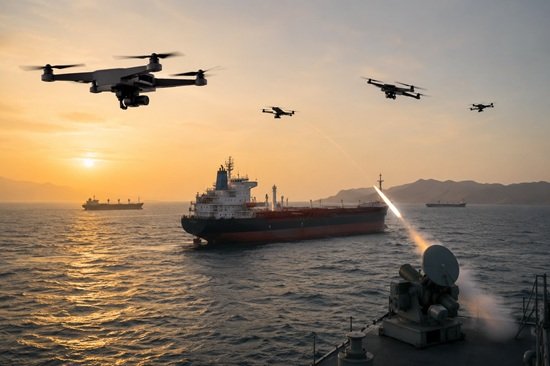
Before the decision, military officials had reportedly prepared options targeting Iranian coastal radar installations, anti-ship missile sites and naval assets linked to disruptions in the Strait of Hormuz.
The report also said some senior advisers, including Jared Kushner, favoured a strategy focused on sustained diplomatic pressure and economic sanctions rather than military escalation. In line with that approach, the US Treasury Department announced fresh sanctions targeting companies and individuals allegedly linked to the financial network of sanctioned Iranian businessman Babak Zanjani.
Meanwhile, Iran reported no overnight bombardment on Saturday, ending nearly two weeks of consecutive US military strikes, although tensions in the Strait of Hormuz region remain high, according to the report.