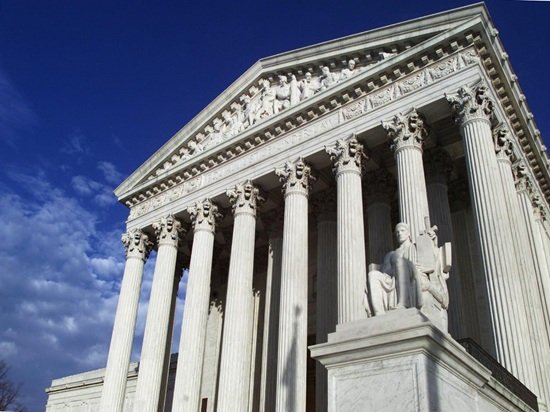
Washington, DC (US), August 25, 2026, BNN Web Staff: The US Supreme Court has allowed the Trump administration to proceed with parts of an executive order seeking to tighten rules governing mail-in voting, handing the President a significant legal victory ahead of the November midterm elections.
The 6-3 decision, issued on Monday, permits the administration to begin implementing portions of the order while the broader legal challenge continues, CBS News reported.
Following the ruling, the US Postal Service and the Department of Justice said they would move ahead with the revised restrictions on mail-in ballots.
The decision also clears the way for the Department of Homeland Security to pursue a proposal to compile lists of residents who are eligible to vote in individual states, according to CBS News.
The ruling marks an important development in Trump’s efforts to tighten election procedures. The President and his administration have repeatedly criticised mail-in voting, arguing that stronger safeguards are necessary to prevent fraud and protect the integrity of elections.
The White House described the Supreme Court’s decision as “a major win for the security of American elections.”
White House spokeswoman Lauren Bis welcomed the ruling, saying the measures were intended to strengthen the security of mail-in ballots and ensure that only eligible Americans participate in elections.
The administration has also continued to push for the proposed SAVE America Act, or Safeguard American Voter Eligibility Act, which seeks broad changes to voter registration and election rules.
Trump renewed his call for the legislation earlier this month and pointed to India’s election system and voter identification requirements while making his case for tighter voting rules.
According to the White House, the proposed legislation would require individuals to provide valid identification when registering to vote in federal elections, along with documentation proving US citizenship.
The proposal would also limit the use of mail-in ballots to specific circumstances, including illness, disability, military service and travel. It further seeks to require states to remove non-citizens from voter registration rolls.
The Supreme Court ruling comes as election administration and voting access remain major political issues in the United States ahead of the November midterm elections.