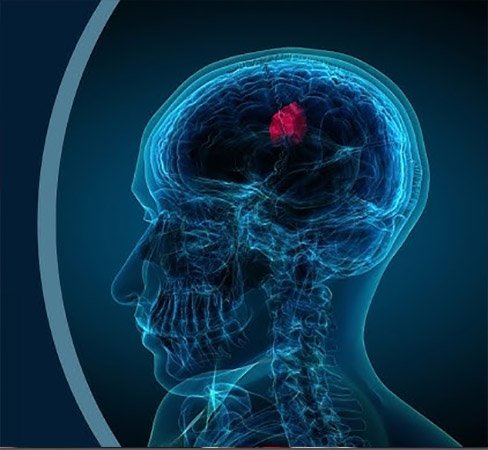
Mental health issues are currently one of the fastest-growing concerns on a global scale. From adolescents to the elderly, cases ranging from stress and anxiety to depression are being reported across all age groups. Numerous studies confirm that mental and physical health are deeply interconnected. This means mental disorders can affect physical health, and likewise, physical problems can impact mental well-being. This is why everyone must pay serious and consistent attention to maintaining both their mental and physical health.
Data indicates that anxiety is rapidly increasing among young people today. Previously, it was often dismissed as normal stress or worry. However, experts now recognize that it is not just a mental state; it can sometimes be a serious mental health condition and, in some cases, a sign of life-threatening brain-related illnesses.
When Anxiety Could Be a Red Flag
Health experts emphasize that frequently occurring anxiety needs serious attention. Studies show that this problem can, in certain situations, be a sign of a brain tumor, which can be fatal.
Researchers have alerted the public that if you are frequently troubled by anxiety, along with persistent issues like dizziness and fatigue, you should take it seriously. These could be symptoms of a brain tumor. While these symptoms are commonly associated with mental health issues, if they are bothering you often, it’s time to be cautious—it could be a sign of a brain tumor.
Researchers explained that Vestibular Schwannoma (also known as Acoustic Neuroma) is a type of non-cancerous brain tumor. This kind of tumor usually grows slowly over many years and affects the nerves responsible for hearing and balance, potentially causing hearing loss, tinnitus, and dizziness. Anxiety can also present with similar symptoms.
What the Study Revealed
In a recent report published in JAMA Otolaryngology, researchers stated that anxiety should not be overlooked. Patients with a history of anxiety were found to be more susceptible to other symptoms related to brain tumors.
To understand this link, researchers from Washington University analyzed data from 109 adults who were diagnosed with a brain tumor between June 2004 and January 2025. Participants were also asked about their anxiety disorders. The researchers found that those with a higher risk of anxiety disorders had a greater likelihood of developing a brain tumor later on.
Key Takeaways:
- Anxiety is Common but Serious: It’s a widespread issue, especially among youth, and should not be dismissed as mere stress.
- Mind-Body Connection: Physical and mental health are deeply linked. Physical illnesses can manifest with psychiatric symptoms like anxiety.
- A Specific Warning Sign: Persistent anxiety, especially when coupled with dizziness and fatigue, could be a rare but important red flag for conditions like Vestibular Schwannoma.
- Consult a Doctor: If you experience frequent and severe anxiety along with other neurological symptoms like hearing issues or balance problems, it is crucial to seek medical advice for a proper diagnosis.