Australia’s World-First Social Media Ban for Under-16s: A Mother’s Fight to Save Lives After Her Son’s Suicide
Australia, 2 Dec 2025 (BNN Web Staff)-
In a bold move to shield children from the dark side of the internet, Australia is set to become the first country in the world to ban under-16s from social media platforms starting December 10, 2025. The legislation, which targets sites like Facebook, Instagram, Reddit, and TikTok, imposes fines of up to $32 million on companies that fail to enforce age restrictions. For grieving mother Mia Bannister, whose 14-year-old son Ollie took his life after battling anorexia and relentless online bullying, the law comes too late—but she hopes it will spare other families unimaginable heartbreak.
A Tattoo as a Lasting Tribute: Ollie’s Story
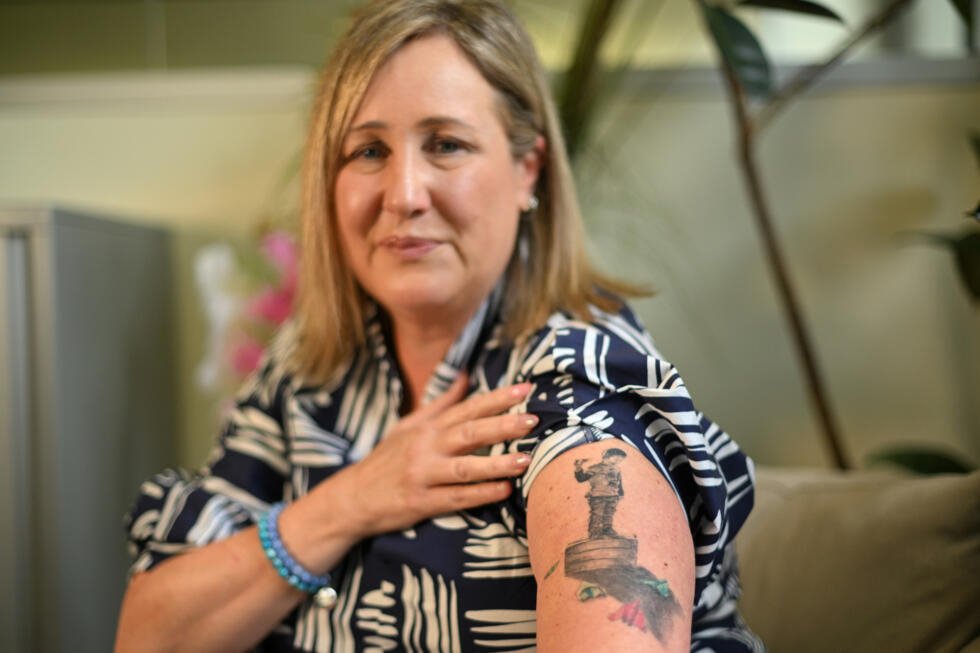
Mia’s arms bear a poignant tattoo: a black outline of a mother cradling a red, cracked heart—a eulogy to Ollie, her “best friend” and “world.” The teenager, known for his mop of red curls, quick wit, and once-sparkling eyes, spiraled into illness after turning to apps like TikTok, Snapchat, and YouTube for solace. Instead of support, he encountered a toxic stream of content that exacerbated his eating disorder and subjected him to cyberbullying.
As a single parent juggling full-time work to keep a roof over their heads, Mia was blindsided by the platforms’ dangers. “I had no idea the impact that it could have,” she told AFP. “When parents hand their child a phone, we hand them the greatest weapon we could hand them.” She squarely blames the “social media giants” for their “unfiltered, unchecked content,” arguing that had the ban been in place a year ago, Ollie might still be alive.
Mia now channels her grief through a charity raising awareness about eating disorders in boys and the perils of social media, vowing: “I do it for him, and I do it for all the other children out there: the lost children and the ones that we’re all going to save.”
The Stats Behind the Ban: A Daily Digital Diet
The decision is backed by stark data from Mission Australia, which surveyed over 10,000 teens aged 15–19. Nearly 97% use social media daily, with almost half logging three or more hours. Those spending less time online reported stronger well-being and social connections, highlighting the mental health toll of excessive exposure.
The Australian government aims to reshape how kids engage online—encouraging healthier habits without fully disconnecting them from the digital world. However, enforcement remains a gray area: Platforms must verify ages, but details on methods (like facial recognition or ID checks) are vague. Tech giants have criticized the rules as overly broad, and while 10 apps (including Discord, Pinterest, Roblox, LEGO Play, and WhatsApp) are initially exempt, authorities can expand the list.
Divided Opinions: Protection or Overreach?
The ban has sparked fierce debate, pitting child safety advocates against those fearing it stifles growth.
- Critics’ Concerns: University of Sydney media lecturer Catherine Page Jeffery calls it “not the right approach,” warning that blanket bans “don’t often work.” Kids might migrate to unregulated, riskier corners of the web, she argues. Instead, she advocates for stricter safety mandates on platforms, noting: “A lot of these platforms, and even the internet more broadly, have not been built for children.” The law could also limit digital literacy and opportunities, like remote learning or activism.
- Supporters’ Hope: eSafety Commissioner Julie Inman Grant insists it’s a “really potent solution” to curb harms like bullying and body image issues, though she admits no silver bullet exists. For Mia, it’s a vital step toward accountability.
Success Stories: When Social Media Sparks Joy
Not all experiences are negative. Twelve-year-old Ava Chanel Jones, for instance, has turned Instagram into a launchpad for her passions in cheerleading, dancing, modeling, and brand promotions—a hobby born during the pandemic with her mother Zoe’s guidance. With over 11,400 followers, Ava earns monthly income from Meta, scores free products, and even launched her own clothing line. She chats with friends but routes stranger messages to a monitored hidden folder.
“I’m her parent—it’s my responsibility to protect her the best that I can,” Zoe says proudly, crediting the platform with building Ava’s skills in communication and creativity. Yet, from December 10, Ava risks losing access to her account, leaving Zoe scrambling to tweak settings in hopes of compliance. Like many, she’s baffled by rollout uncertainties and worries it could snuff out kids’ chances to discover hobbies or passions.
A Global Ripple Effect?
As Australia leads the charge, eyes turn to similar proposals worldwide—from the EU’s age verification pushes to U.S. state-level restrictions. For now, Mia’s ink serves as both scar and shield, a mother’s cry for a safer digital frontier. In her words, the fight is personal: “He was my world.” With the ban looming, it’s a world that might just get a little less cruel for the next generation.