US Imposes Sanctions on Senior Iranian Security Officials Over Protest Crackdown
WASHINGTON, D.C. (US), January 15, 2026 — The United States imposed new sanctions on Thursday targeting senior Iranian security officials for their roles in the violent suppression of ongoing protests in Iran. The U.S. administration identified Ali Larijani, the Secretary of Iran’s Supreme Council for National Security, as a central figure in the crackdown.
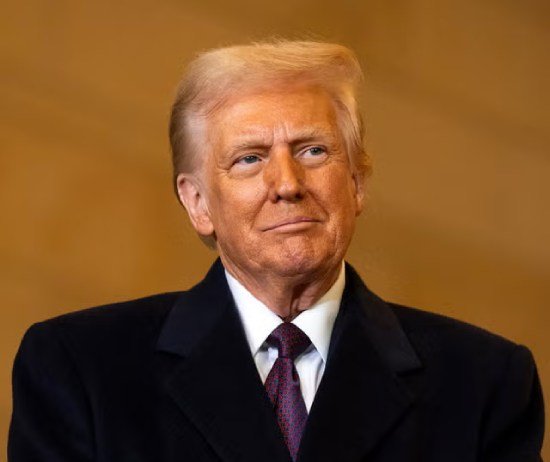
U.S. Treasury Secretary Scott Bessent stated that the sanctions are directed against Iranian leaders who ordered violence against peaceful demonstrators. He clarified that the action was taken on the instructions of President Donald Trump and reflects American support for the Iranian people’s demands for freedom and justice.
Ali Larijani Faces Serious Allegations
According to the U.S. Treasury Department’s Office of Foreign Assets Control (OFAC), during nationwide protests in December, Ali Larijani was among the first senior officials to publicly advocate for the use of force. U.S. authorities allege that he coordinated the security response on behalf of Iran’s supreme leadership.
The U.S. accuses security forces of using live ammunition to quell protests and conducting violent campaigns in several regions. This crackdown followed demonstrations initially triggered by economic crisis and inflation, which gradually transformed into a broader anti-government movement.
Commanders Also Sanctioned
The sanctions also target senior commanders linked to the Islamic Revolutionary Guard Corps (IRGC) and domestic law enforcement. Those designated include:
Mohammad Reza Hashemifar, senior police commander of Lorestan Province.
Nematollah Bagheri, provincial commander of the IRGC.
Azizollah Maleki and Yadollah Buali, security officials deployed in Fars Province.
The U.S. Treasury alleges that forces under these commanders engaged in killing protesters, issuing threats, and intimidating victims’ families.
Shadow Banking and Financial Dimension
OFAC also sanctioned individuals and entities connected to Iran’s so-called shadow banking networks. The U.S. claims these networks laundered revenue from petroleum and petrochemical sales through already-sanctioned institutions like Bank Melli and Shahr Bank.
U.S. officials allege these funds were used not to improve Iran’s dire economic situation, but to finance internal repression and overseas activities.
Rising Tensions and Diplomatic Efforts
Human rights organizations claim at least 3,400 people have been killed and thousands detained in the protest crackdown, though Tehran has rejected these figures.
Following the violence, President Donald Trump warned that the U.S. could consider a military response if Iran executed detainees. He later stated that assurances had been received from the Iranian side that no executions would be carried out.
Meanwhile, last-minute diplomatic efforts by Saudi Arabia, Qatar, and Oman, which urged Washington to show restraint, have temporarily reduced regional tensions to some degree.