Beijing [China], October 14: China on Tuesday announced the implementation of new special port fees on US vessels docking at Chinese ports, a move that marks a fresh escalation in trade frictions between Beijing and Washington.
According to reports by the Global Times, the Chinese Ministry of Transport stated that the fees are intended to protect the legitimate rights of China’s shipping sector and ensure fair competition in global maritime trade.
The levy will apply to all US-flagged and US-built vessels, as well as ships owned or operated by entities where US companies or individuals hold at least a 25% stake. The initial fee has been set at 400 yuan (approximately USD 56) per net ton, effective from Tuesday, and is scheduled to increase annually from April 17 over the next three years.
China’s decision follows the United States’ recent move to impose additional port fees on Chinese ships arriving at American ports starting October 14. Beijing described the US action as a violation of World Trade Organization (WTO) rules and the bilateral maritime transport agreement, warning that it had caused significant disruption to trade flows between the two countries.
In response, China also signaled plans to tighten controls over rare earth exports, a sector where it holds global dominance.
The ongoing standoff has prompted renewed diplomatic exchanges. Following working-level discussions held on Monday, China’s Ministry of Commerce urged Washington to “correct its mistakes” and show “sincerity in trade talks.”
“The US cannot seek dialogue on one hand while threatening restrictive measures on the other. This is not the right approach to engage with China,” a ministry spokesperson said, according to Xinhua.
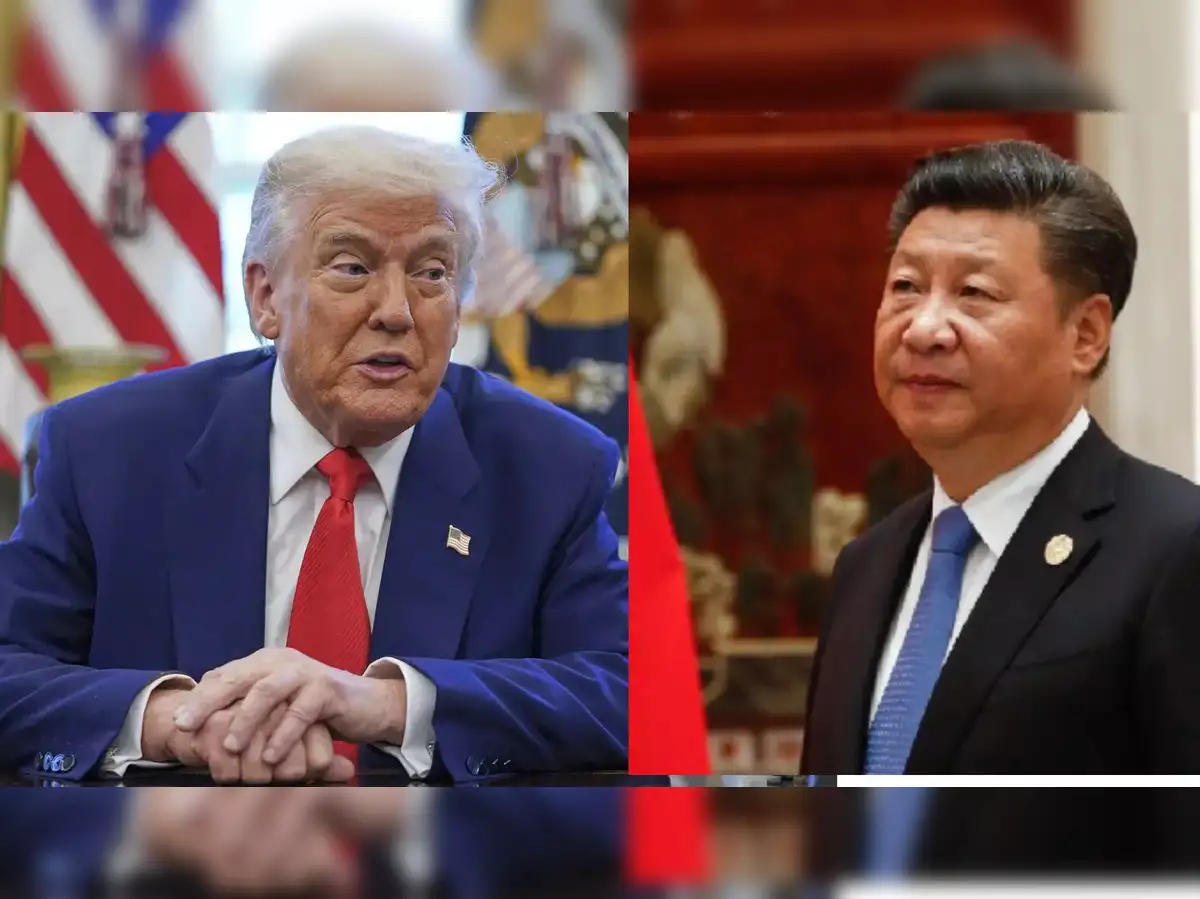
Meanwhile, US President Donald Trump has warned of imposing a 100% tariff on Chinese goods if the situation fails to improve, with the measures expected to take effect on November 1.
The latest moves deepen uncertainty in global trade and raise concerns over a renewed US–China trade confrontation, potentially impacting international shipping and supply chains.