Iran Protests Escalate Amid Economic Crisis; Trump Threatens Intervention as Tehran Issues Stark Warnings
US, January 3, 2026 (BNN Web Staff)
Widespread protests in Iran, triggered by the collapse of the rial and soaring inflation, have entered their second week as of January 3, 2026, marking the largest unrest since the 2022–2023 Woman, Life, Freedom movement. Demonstrations began in late December 2025 with bazaar merchants and shopkeepers striking over the currency’s plunge to a record low of around 1.45 million rials per U.S. dollar (from about 800,000 a year earlier), with inflation exceeding 42%. Protests have spread to over 30 cities, including Tehran, involving students and broader anti-regime chants like “Death to the Dictator.”
At least seven people have been killed in clashes, including protesters and security forces, with reports of stone-throwing, arson, and live fire from authorities.
Trump’s Threat and U.S. Stance
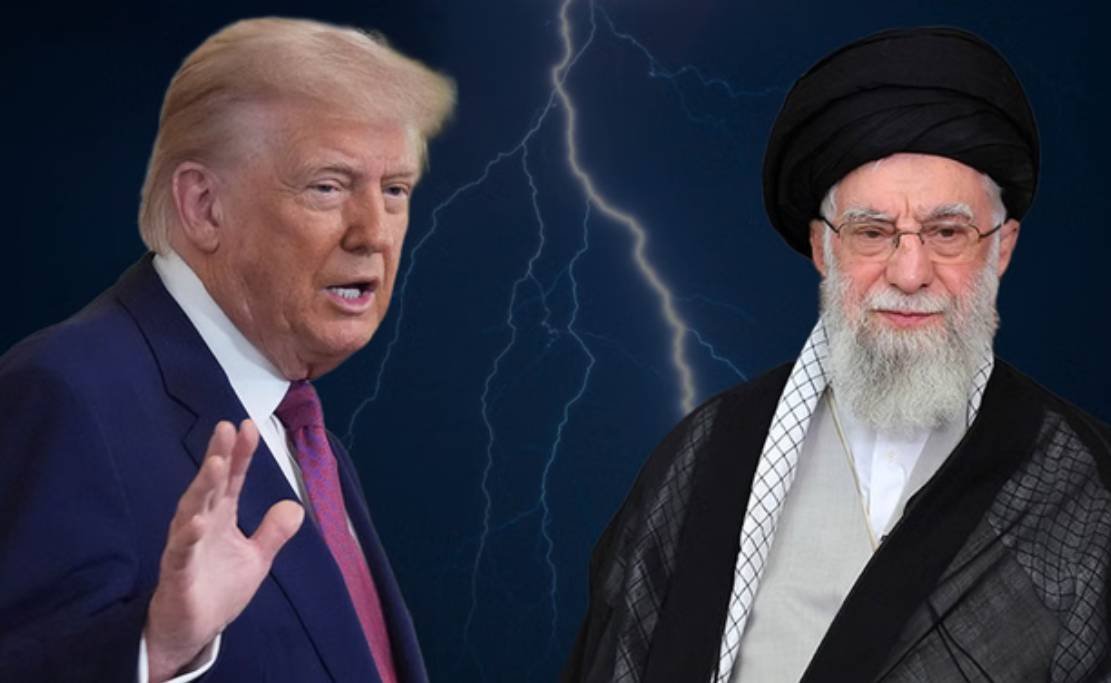
U.S. President Donald Trump escalated tensions on January 2 via Truth Social, warning: “If Iran shoots and violently kills peaceful protesters, which is their custom, the United States of America will come to their rescue. We are locked and loaded and ready to go.”
This direct pledge of potential intervention—rare for U.S. presidents to avoid accusations of foreign meddling—drew sharp rebukes from Tehran.
Iran’s Sharp Retort
Parliament Speaker Mohammad Bagher Ghalibaf responded on X: Any U.S. “adventurism” would make “all American centers and forces across the entire region… legitimate targets.” He praised peaceful protests by merchants but accused foreign agents of attempting to incite violence, claiming public vigilance thwarted them.
Iranian officials, including Supreme National Security Council figures, labeled Trump’s comments irresponsible, warning of regional chaos and rejecting interference in sovereign affairs.
The armed forces were described as fully alert and capable of precise retaliation.
Tehran maintains most protests are peaceful and a constitutional right, isolating violent incidents (e.g., attacks on police stations, Molotov cocktails) as criminal or foreign-influenced.
Government’s Response and Economic Context
Reformist President Masoud Pezeshkian has signaled openness to dialogue:
He instructed officials to engage protesters’ representatives and address “legitimate demands.”
In televised remarks: “If we do not solve the problem of people’s livelihood, we will end up in hell” (from an Islamic perspective), acknowledging limited options amid falling rial value.
The government declared extended holidays (attributed to weather/energy saving) and replaced the central bank governor.
Root causes include:
Long-term U.S. and Western sanctions tied to Iran’s nuclear program.
Fallout from the June 2025 12-day war with Israel (involving U.S. strikes on nuclear sites).
Mismanagement, reduced oil revenues, and high government spending.
Protests initially focused on livelihoods but have evolved into political demands, with some calling for regime change or the return of exiled monarchists.
The situation remains volatile, testing Pezeshkian’s reformist administration against hardliners, while raising risks of broader confrontation amid fragile U.S.-Iran diplomacy. International observers note the unrest poses a significant challenge to the regime’s stability.