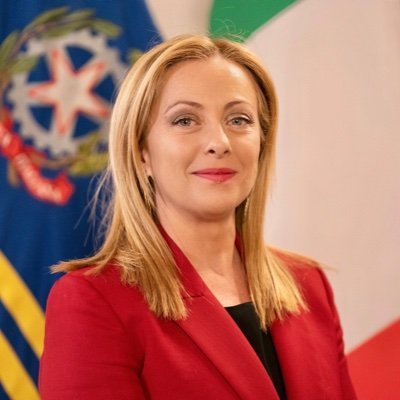
Rome (Italy), September 21, 2026, BNN Web Staff: Italy is preparing new rules that would bar students from wearing face-covering garments such as burkas and niqabs in schools, while also limiting the number of foreign students allowed in individual classrooms.
Prime Minister Giorgia Meloni announced the proposed measures at Fenix, a youth event organised by her Brothers of Italy party in Rome on Sunday. She said the package would soon be presented to Italy’s Council of Ministers.
Under the proposed rules, schools would be required to ensure that students attend classes with their faces uncovered. Meloni linked the measure to gender equality, saying that no woman or girl should be required to conceal her face in the name of tradition.
The government also plans to place a legal cap on the number of foreign students in a classroom. However, officials have not yet announced the maximum percentage or number of foreign students that would be allowed in each class.
Another proposed measure would require parents of foreign students facing serious integration difficulties at school to learn Italian.
Meloni said the measures were part of the government’s broader approach to integration, arguing that people settling in Italy should learn the language, understand the country’s culture and follow its laws.
Italy’s schools already have a significant population of students who do not hold Italian citizenship.
Data from research institute Fondazione ISMU show that about 930,000 students without Italian citizenship are enrolled in Italian schools, representing nearly 11.6 per cent of the country’s total student population.
The proposed restrictions come as Italy continues to debate how schools should respond to growing cultural and linguistic diversity.
Medical school admission system also in focus.
Speaking at the same event, Meloni also highlighted changes to university admissions, particularly medical education.
She said the government had abolished the multiple-choice entrance examination for medical school, arguing that the previous system limited opportunities for students.
The government has presented the change as part of a broader effort to alter university admission procedures and expand access to medical education.
The school integration measures announced by Meloni are still proposals. Their final provisions, including the precise limit on foreign students per classroom and how the face-covering restriction would be implemented, will depend on the government’s formal legislation and subsequent approval.