Netanyahu Seeks Pardon from DDD President in Corruption Cases, Citing National Interest
Israeli, 2 Dec 2025 (BNN Web Staff)
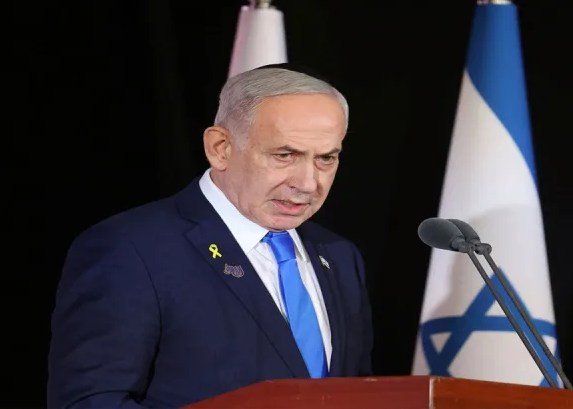
In a dramatic development amid his ongoing corruption trial, Israeli Prime Minister Benjamin Netanyahu has formally requested a presidential pardon from President Isaac Herzog for charges of bribery, fraud, and breach of trust. The appeal, submitted on Sunday, November 30, 2025, argues that ending the five-year trial would serve the “national interest” by healing deep societal divisions and allowing Netanyahu to focus on governance during challenging times.
Background on the Cases
Netanyahu has been on trial since 2020 in three high-profile corruption cases:
- Case 1000: Allegations of accepting hundreds of thousands of dollars in lavish gifts from wealthy benefactors in exchange for political favors.
- Case 2000: Accusations of attempting to influence media coverage through regulatory concessions.
- Case 4000: Claims of bribery and breach of trust involving favorable treatment for a telecom company in return for positive news coverage.
Netanyahu denies all wrongdoing, insisting the charges are a politically motivated “witch hunt” orchestrated by opponents and a biased judicial system. He maintains his innocence and has no intention of resigning.
The Pardon Request: A Precedent-Setting Move
In a letter and video statement released alongside the request, Netanyahu described the trial as “tearing us apart from within” and fueling “fierce divisions.” He argued that requiring him to testify three times a week is an “impossible demand” that hampers his leadership, especially as Israel faces external threats and opportunities for regional normalization.
Notably, Netanyahu did not admit guilt—a key point of contention, as Israeli pardons are typically granted only post-conviction and often require remorse. Legal experts, including constitutional scholar Suzie Navot, have called the request “precedent-setting and highly controversial,” noting it echoes a rare 1986 pre-indictment pardon but lacks the necessary admission of fault.
President’s Response: A “Very Special” and “Extraordinary” Request
Herzog’s office acknowledged the submission, describing it as a “very special request with significant implications.” The president pledged to review it “responsibly and sincerely” after consulting the Justice Ministry’s pardons department, legal advisors, and considering public interest factors. No timeline was given for a decision.
As a largely ceremonial role, the presidency holds sole pardon authority, but such interventions in active trials are extremely rare.
Trump’s Influence and Broader Context
The timing aligns with recent U.S. President Donald Trump’s intervention. In a letter dated earlier in November—delivered on White House letterhead—Trump urged Herzog to “fully pardon” Netanyahu, calling the cases a “political, unjustified prosecution” and praising him as a “formidable wartime prime minister.” Trump had previously made the plea during an October speech to Israel’s Knesset, suggesting a pardon could aid peace efforts.
Netanyahu explicitly cited Trump’s support in his request, arguing it would strengthen U.S.-Israel ties during a critical “window of time.”
Polarized Reactions
- Supporters: Allies like Defense Minister Israel Katz and Finance Minister Bezalel Smotrich hailed the move as ending “persecution by a corrupt judicial system” and promoting unity. A recent Channel 12 poll showed 44% of Israelis support an unconditional pardon.
- Opponents: Opposition leaders, including Yair Lapid and Yair Golan, condemned it as an abuse of power. Lapid demanded an admission of guilt, remorse, and Netanyahu’s immediate retirement from politics. Critics argue granting it without conviction would undermine the rule of law and deepen divisions.
With Israel’s next election due by October 2026, polls suggest Netanyahu’s right-wing coalition could face challenges, making the pardon a high-stakes gamble in his political survival.