The Kremlin said it is closely monitoring developments in the Caribbean, describing the situation as increasingly volatile and potentially dangerous.
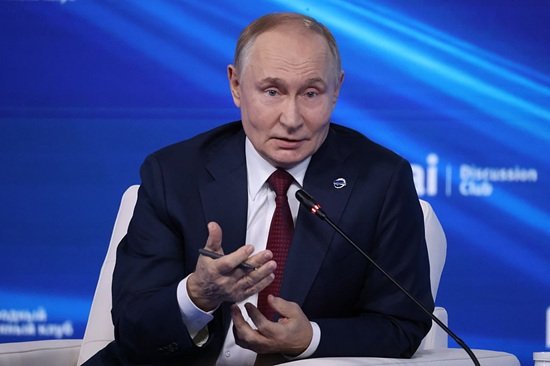
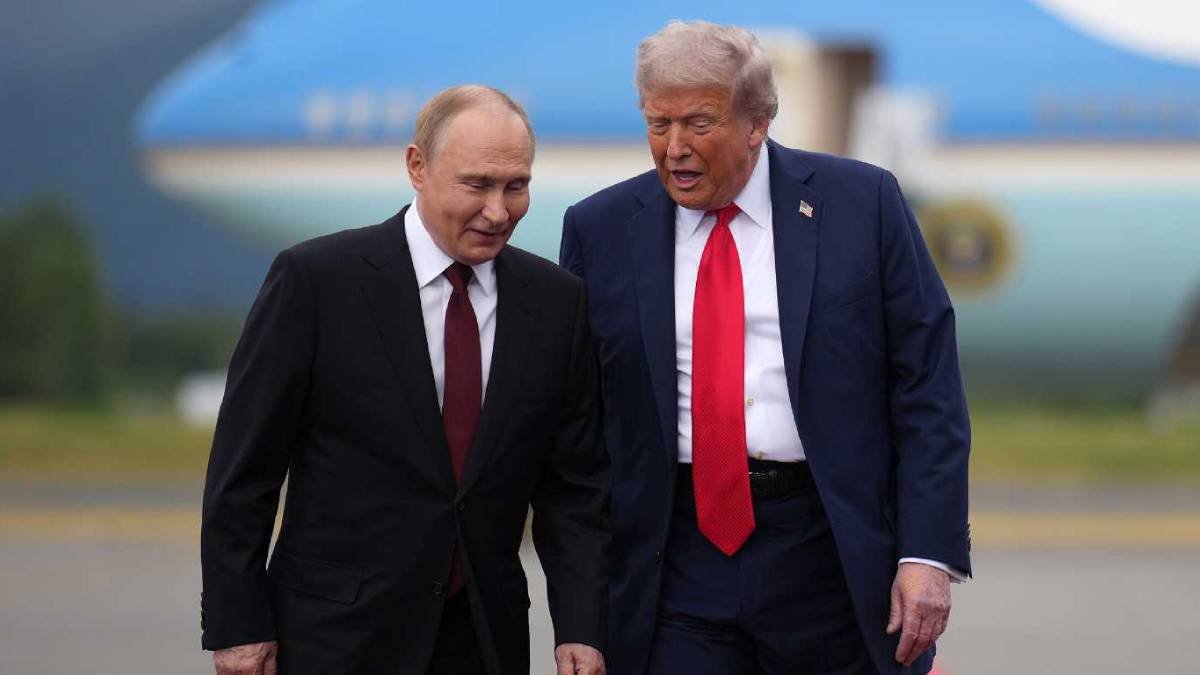
Moscow/Washington DC, December 21, 2025, BNN Web Staff— Russian President Vladimir Putin has issued a warning to the United States against further escalation as tensions between Washington and Caracas intensify, raising fears of a wider regional conflict.
The Kremlin said it is closely monitoring developments in the Caribbean, describing the situation as increasingly volatile and potentially dangerous.
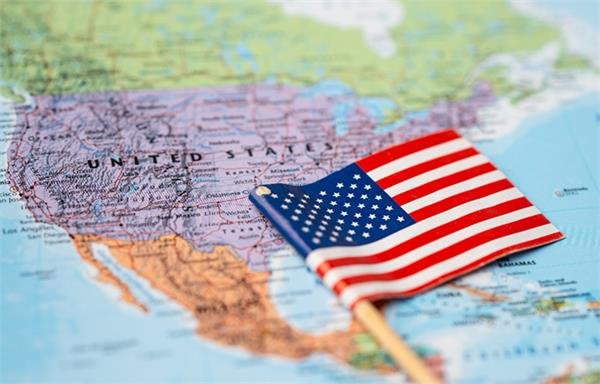
Russia’s remarks come amid a sharp rise in U.S. military activity near Venezuela and a newly announced blockade targeting sanctioned oil tankers linked to the South American nation.
Venezuelan President Nicolás Maduro has rejected U.S. pressure, accusing Washington of pursuing war for control over energy resources.
Addressing supporters at a public rally, Maduro denounced foreign intervention and called for respect for national sovereignty, while urging Americans to oppose military action.
Concern over the crisis has spread globally. Brazilian President Luiz Inácio Lula da Silva has offered to mediate in an effort to prevent what he termed a “brother-against-brother” conflict in Latin America. China has criticised U.S. actions and voiced support for Venezuela, while the United Nations Secretary-General has appealed for restraint.
Mexico’s leadership has also warned against bloodshed, and Belarusian President Alexander Lukashenko has signalled he would offer asylum to Maduro if he ever chose to leave office.
The escalation follows a major expansion of U.S. military deployments in the Caribbean region. Washington has dispatched 11 warships, including an aircraft carrier, along with thousands of troops, surveillance aircraft and naval patrols operating close to Venezuela’s coastline.
The move builds on earlier U.S. strikes against vessels allegedly linked to drug trafficking networks connected to Venezuela.
President Donald Trump has further raised tensions by declaring a comprehensive blockade on sanctioned oil tankers entering or leaving Venezuelan ports.
Analysts warn that such a step brings the U.S. dangerously close to direct military confrontation. Venezuela has responded by ordering its navy to escort oil shipments, increasing the risk of clashes at sea.
Oil remains at the heart of the dispute. Despite holding some of the world’s largest reserves, Venezuela’s production collapsed over the past two decades due to mismanagement and sanctions, falling from more than three million barrels per day to just 350,000 by 2020, before partially recovering.
U.S. sanctions imposed in 2019 pushed Venezuela to rely on a shadow fleet of tankers to export discounted crude, mainly to China, which reportedly buys the bulk of its oil.
President Trump has openly stated that his administration is seeking to reclaim U.S. oil interests nationalised under former Venezuelan president Hugo Chávez and later under Maduro. Caracas has dismissed these claims, with Maduro accusing Washington of pursuing colonial-style ambitions and treating Venezuelan land and resources as its own.
As diplomatic warnings mount and military posturing continues, observers say the outcome of the standoff could have far-reaching consequences for Caribbean stability and global energy markets.