Russia-Ukraine War: Russian Missile Strike on Kharkiv Kills Two, Including Child; Zelensky Accuses Putin of Deliberately Targeting Civilians
Russia-Ukraine War, 3 Jan 2026 (BNN Web Staff)-
As the Russia-Ukraine war enters its fourth year, Russian forces launched a ballistic missile attack on the northeastern city of Kharkiv on January 2, 2026, killing at least two people—including a three-year-old child—and injuring more than 30 others, according to Ukrainian officials.
Details of the Kharkiv Attack
Two Iskander ballistic missiles struck a multi-storey residential apartment building in central Kharkiv, nearly destroying it and damaging surrounding civilian infrastructure, including a shopping center and vehicles.
The victims included a woman and a three-year-old boy (likely mother and son), whose bodies were recovered from the rubble.
At least 31 people were injured, including a six-month-old baby.
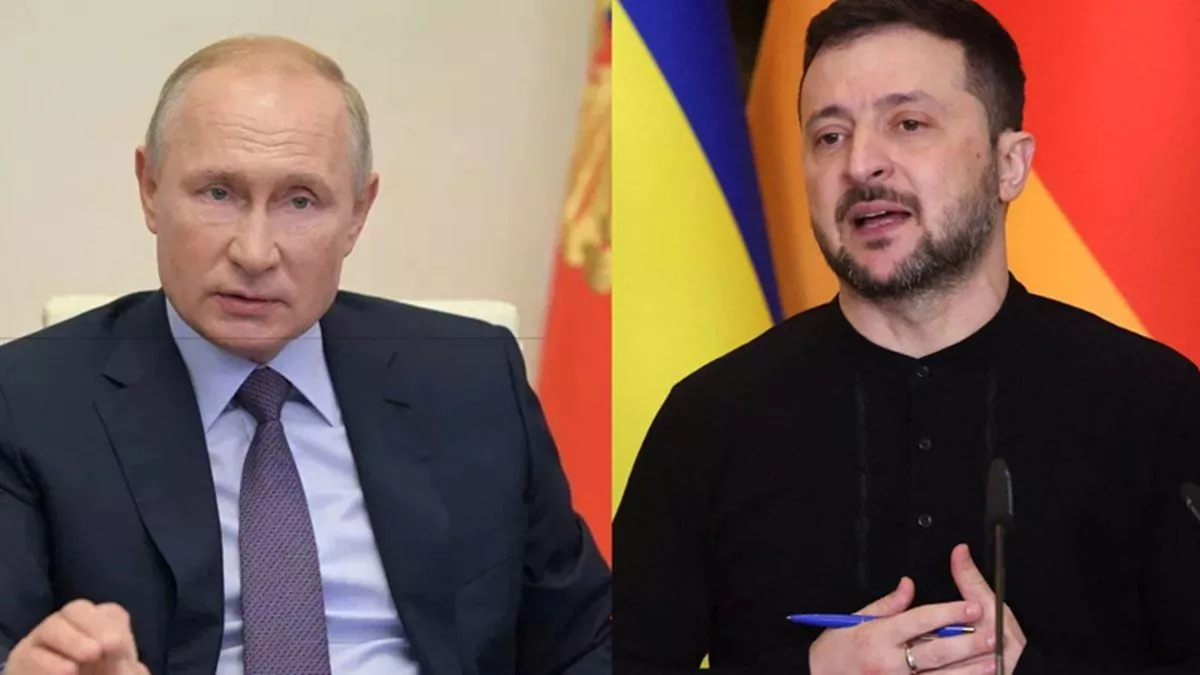
Rescue operations continued into the night, with emergency services on site. President Volodymyr Zelensky described the strike as “heinous,” stating it targeted a residential area despite ongoing diplomatic efforts.
Zelensky posted on social media: “Unfortunately, this is how the Russians treat life and people—they continue their killings, despite all the efforts of the world, and above all the United States, in the diplomatic process. Only Russia does not want this war to end.”
Russia’s Defense Ministry denied responsibility, claiming no missile or air strikes were conducted in Kharkiv and suggesting the damage resulted from detonating Ukrainian ammunition—a claim dismissed by Ukrainian authorities.
Prior Incident: Russian Claims of Ukrainian Drone Strike
The Kharkiv attack followed Russian accusations of a Ukrainian drone strike on New Year’s Eve (December 31, 2025) in the occupied village of Khorly, Kherson region.
Russian-installed authorities claimed up to 28 civilians were killed (including children) and over 50 injured at a hotel and cafe during celebrations.
Ukraine denied targeting civilians, stating its strikes focus on military and energy targets. Kyiv has not commented specifically on this incident but maintains it adheres to international humanitarian law.
Russian officials used the Khorly claims to justify intensified strikes and accuse Ukraine of terrorism.
Broader Context and Diplomatic Efforts
The nearly four-year conflict shows no signs of abating, with escalating attacks on civilians amid U.S.-brokered peace talks.
Zelensky, in his New Year’s address, reiterated Ukraine’s desire for peace but refusal to accept any deal weakening its sovereignty, territorial integrity, or security.
He emphasized resilience despite war fatigue: “Are we tired? Yes. Does that mean we’re ready to surrender? Absolutely not.”
Recent diplomacy includes Zelensky’s meetings with U.S. President Donald Trump, where progress was reported on a revised peace plan (described as “90% ready” by some accounts), including potential security guarantees.
However, key issues like territory, demilitarization, and the Zaporizhzhia nuclear plant remain unresolved.
Zelensky has repeatedly appealed for stronger international support, particularly enhanced air defenses to protect civilians. Ukrainian forces continue to hold lines despite Russian advances in 2025, which captured significant territory at high cost.
The war’s human toll remains immense, with both sides trading accusations of deliberate civilian targeting as diplomatic windows narrow.