Tehran (Iran), July 19, 2026, BNN Web Staff: Regional tensions escalated further on Sunday after a senior Iranian military commander warned the United States of a “decisive and devastating response” to any future military action, while Iran also claimed responsibility for drone strikes targeting two US military installations in Kuwait.
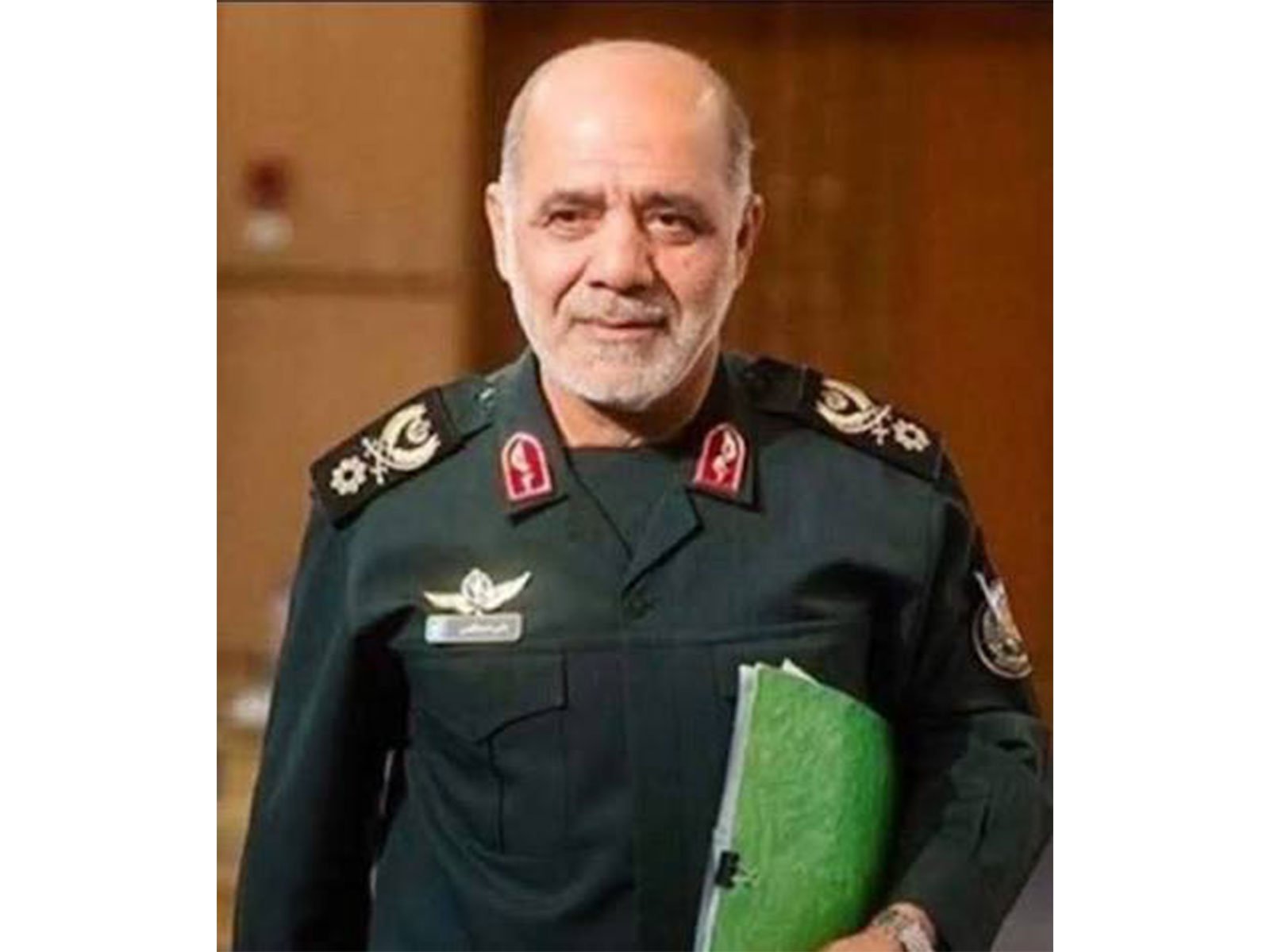
Major General Ali Abdullahi, commander of Iran’s Khatam al-Anbiya Central Headquarters, accused Washington of pursuing hostile policies against Tehran and described the United States as Iran’s principal adversary. In remarks carried by Iranian state media, he said any aggression against the Islamic Republic would be met with a powerful military response.
Abdullahi also called for greater unity between Iran’s armed forces, government and citizens, asserting that national solidarity would strengthen the country’s ability to counter external threats. He alleged that after failing to achieve its military objectives, the US was now attempting to create divisions within Iranian society.
Highlighting Iran’s defence capabilities, the commander said the country’s military strength remained a key pillar of national security and stability across the region.
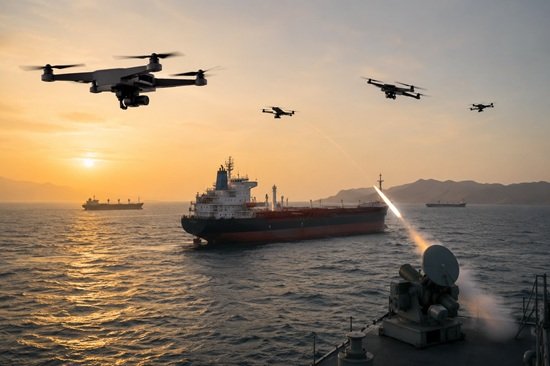
The warning came as Iran announced that it had launched large-scale drone attacks on two US military facilities in Kuwait, describing the operation as retaliation for recent American strikes inside Iranian territory. According to Iranian state media, the targets included Camp Udairi’s ammunition depot and radar systems at Ali Al Salem Air Base.
The latest developments follow fresh US airstrikes carried out after a deadly drone and missile attack on an American military outpost in Jordan reportedly killed two US service members, left another missing and injured four others.
US Central Command said the military operation was aimed at weakening Iran’s military capabilities and reducing its ability to threaten maritime traffic through the Strait of Hormuz, one of the world’s most strategically important oil shipping routes.
Iran’s state-run IRNA news agency reported that areas near Sirik in Hormozgan province, close to the Strait of Hormuz, were struck during the American operation.
The Pentagon said the recent casualties marked the first deaths of US troops directly attributed to Iranian attacks since the current phase of the conflict began. According to official figures, 16 American service members have been killed and more than 430 wounded since hostilities intensified.
Diplomatic efforts have also suffered a major setback. Iranian officials announced that Tehran was suspending its commitments under a recently signed interim agreement, accusing Washington of violating the deal. Deputy Foreign Minister Kazem Gharibabadi said Iran would no longer implement its obligations under the accord.
Iran also reiterated that its warning extended to allied regional groups, often referred to as the “Axis of Resistance,” signalling the possibility of broader regional involvement if tensions continue to escalate.
The conflict has also begun affecting civilian infrastructure. Kuwaiti authorities reported damage to a desalination facility and an oil installation following Iranian strikes, resulting in multiple injuries and temporary disruptions to power generation and aviation services. Kuwait temporarily closed its airspace while airlines adjusted flight schedules.
Neighbouring countries have also stepped up security measures. Jordan said its air defence systems intercepted several Iranian missiles, while Bahrain and Saudi Arabia activated air raid sirens as regional governments remained on high alert.
The rapidly escalating military exchanges have raised fresh concerns over regional stability and the potential impact on global energy supplies, with international observers closely monitoring developments.