Trump Administration Tightens Visa Screws: H-1B Applicants Must Go Public on Social Media Amid Broader Immigration Crackdown
New York/Washington, December 5, 2025 (BNN Web Staff) –
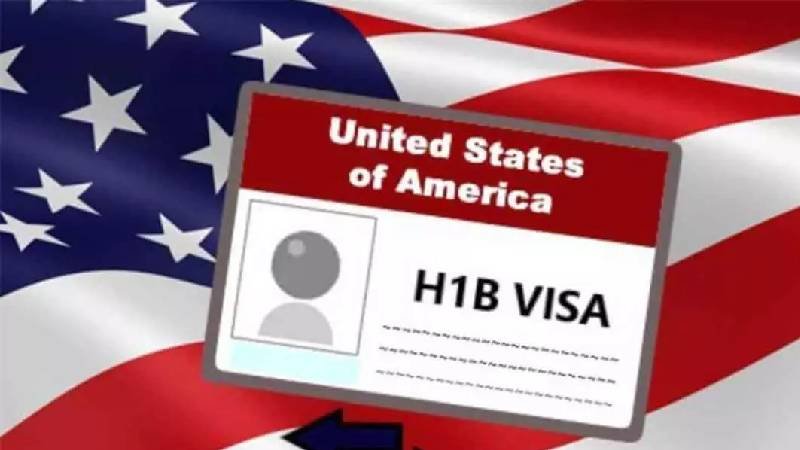
In a sweeping escalation of its immigration overhaul, the Trump administration has ordered all H-1B visa applicants (skilled foreign workers) and their H-4 dependents (spouses and children) to set their social media profiles to “public” starting December 15, 2025. The directive, issued by the State Department on Wednesday, expands mandatory online vetting to these categories—previously limited to students and exchange visitors (F, M, J visas)—to flag potential national security or public safety risks.
The move is the latest salvo in a multi-pronged assault on legal immigration pathways, including a $100,000 fee on new H-1B applications (imposed in September) and an immediate pause on all green cards, citizenship, asylum, and other applications from nationals of 19 “high-risk” countries—triggered by last week’s fatal shooting of a U.S. National Guard soldier by an Afghan national who entered via a Biden-era program.
State Department officials emphasized:
“Every visa adjudication is a national security decision. We must be vigilant to ensure applicants do not intend to harm Americans and credibly establish eligibility.”
The policy could delay processing times and upend plans for thousands of Indian tech professionals, who dominate H-1B approvals (over 70% of the 85,000 annual visas go to Indians).
New Social Media Mandate: What It Means for H-1B and H-4 Applicants
Effective December 15, consular officers will conduct “online presence reviews” for every H-1B and H-4 applicant, scrutinizing public posts, networks, employment history, and digital activity across platforms like Facebook, Instagram, X (formerly Twitter), LinkedIn, and more.
- Requirements: Applicants must disclose all usernames from the past five years (including inactive ones) and adjust privacy settings to “public” on all accounts. Failure to comply could lead to denials or revocations.
- Scope: This aligns H-1B/H-4 with existing rules for F, M, J visas, but adds scrutiny for “censorship” links (e.g., content moderation roles) or anti-U.S. sentiment.
- Impact: Tech giants like Amazon, Microsoft, and Meta—top H-1B sponsors—face higher costs and delays, potentially exacerbating talent shortages. Indian firms saw a 70% drop in approvals from FY15 to FY25.
The administration frames visas as a “privilege, not a right,” using “all available information” to weed out threats.
Broader Crackdown: $100K H-1B Fee and 19-Country Immigration Freeze
This isn’t isolated. In September, Trump imposed a one-time $100,000 fee on new H-1B petitions (effective September 21), aimed at curbing “abuses” by outsourcing firms—though critics say it punishes innovation and U.S. competitiveness. Tech leaders warned employees against international travel, fearing denials.
On Tuesday, USCIS issued a memo pausing all immigration applications from nationals of 19 “countries of concern”—expanding a June travel ban. The hold covers green cards, naturalization, asylum, and more, pending a “comprehensive review” (including re-interviews back to 2021).
| Country | Status under Ban |
|---|---|
| Afghanistan | Full travel ban |
| Burma (Myanmar) | Full travel ban |
| Burundi | Partial restrictions |
| Chad | Full travel ban |
| Congo | Full travel ban |
| Cuba | Partial restrictions |
| Equatorial Guinea | Full travel ban |
| Eritrea | Full travel ban |
| Haiti | Full travel ban |
| Iran | Full travel ban |
| Laos | Partial restrictions |
| Libya | Full travel ban |
| Sierra Leone | Partial restrictions |
| Somalia | Full travel ban |
| Sudan | Full travel ban |
| Togo | Partial restrictions |
| Turkmenistan | Partial restrictions |
| Venezuela | Full travel ban |
| Yemen | Full travel ban |
The pause affects over 1.5 million pending asylum cases and 50,000+ grants from the Biden era, with citizenship ceremonies canceled nationwide.
The Trigger: Afghan Shooting Sparks Security Overhaul
The policies follow the November 26 shooting near the White House, where 29-year-old Rahmanullah Lakanwal—an Afghan who entered via Operation Allies Welcome (a 2021 Biden program evacuating ~200,000 Taliban-threatened Afghans)—allegedly killed U.S. Army Specialist Sarah Beckstrom (20) and critically wounded Air Force Staff Sgt. Andrew Wolfe (24).
Lakanwal, a former CIA-backed “Zero Unit” operative against terrorists, was granted asylum in April 2025 despite watchlist flags on ~55 OAW evacuees. Trump decried it as a Biden “failure,” vowing to “permanently pause migration from all Third World Countries” and re-vet all Afghan entrants.
Homeland Security Secretary Kristi Noem announced related arrests, including an ISIS-K supporter under OAW.
Reactions: Outrage, Legal Challenges, and Economic Fears
- Immigrant Advocates: Groups like the American Immigration Council call it “xenophobic overreach,” predicting lawsuits and talent flight from Silicon Valley.
- Tech Industry: Amazon and Microsoft lobbied against the H-1B fee; now, social media scrutiny adds “uncertainty” for renewals.
- Trump Allies: Supporters hail it as “America First” security, with expansions eyed for more countries.
As processing delays mount, Indian families and global firms brace for fallout. This “merit-based” purge prioritizes security—but at what cost to U.S. innovation?