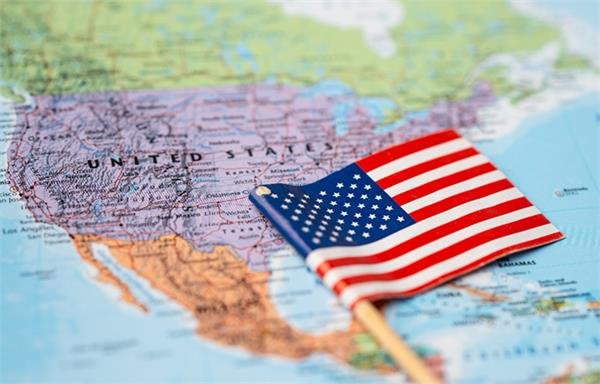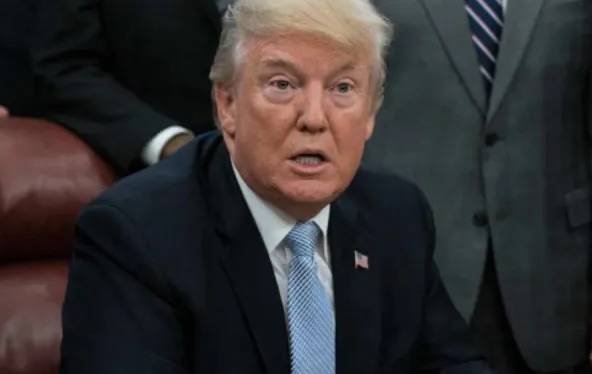
Washington, D.C: President Donald Trump has warned that the United States could suspend all aid to Nigeria and has directed U.S. defence planners to map out possible military options if Nigerian authorities do not act to stop attacks on Christians, U.S. and international media report.
Posting on his Truth Social platform, Trump accused “radical Islamists” of carrying out mass killings of Christians in Nigeria and said the U.S. may intervene “guns-a-blazing” if the violence continues. He also said he had instructed the Pentagon (which he referred to as the Department of War) to prepare contingency plans.
The announcement followed Trump’s decision to add Nigeria to a U.S. watch list of countries of concern over religious-freedom abuses — a move that could pave the way for sanctions or other measures. U.S. officials and lawmakers have been debating how to respond to reports of sectarian and extremist violence in parts of the country.
Nigeria’s government swiftly rejected the suggestion that Christians are being systematically targeted. President Bola Ahmed Tinubu and other officials defended the country’s record on religious tolerance and called the U.S. characterisation inaccurate, while urging calm as diplomats and investigators evaluate the situation.
Analysts note the security picture in Nigeria is complex: Islamist insurgencies such as Boko Haram and other armed groups have caused extensive suffering, but violence also stems from farmer-herder clashes, criminal gangs and local disputes — affecting both Muslim and Christian communities. Experts warn that labeling the conflict solely in religious terms risks oversimplifying long-running local and regional grievances.
Trump also asked members of Congress to investigate the matter and report back, naming lawmakers to review U.S. policy toward Nigeria and the reports of persecution. The president framed the issue as an urgent humanitarian concern requiring immediate action.
The U.S. State Department has in the past designated countries as “countries of particular concern” for religious-freedom violations, a label that carries diplomatic and policy implications. Officials have said any decision on sanctions or military operations would involve multiple branches of government and careful legal review.
Nigeria and the United States now face a delicate diplomatic moment: Abuja insists it is protecting all citizens, while Washington’s steps — from the watch-list designation to the president’s stark rhetoric — could strain relations and prompt debate in international forums.