Trump’s Favorite Shoe Brand, Florsheim, Sues US Government Over Tariffs
Parent Company Weyco Seeks Compensation for Losses; President Trump Often Gifts Same Brand to White House Staff
Washington D.C.: March 16, 2026-
In a paradoxical turn of events, the company that manufactures the preferred footwear of US President Donald Trump has filed a lawsuit against the federal government. Weyco Group, the parent company of the iconic Florsheim brand, claims that the administration’s aggressive tariff policies have caused significant financial damage to its business.
The Trump Connection
Despite the legal friction, President Trump remains a devoted fan of Florsheim.
The Preferred Style: Trump often wears Florsheim’s leather Oxford shoes, which retail for approximately $145.
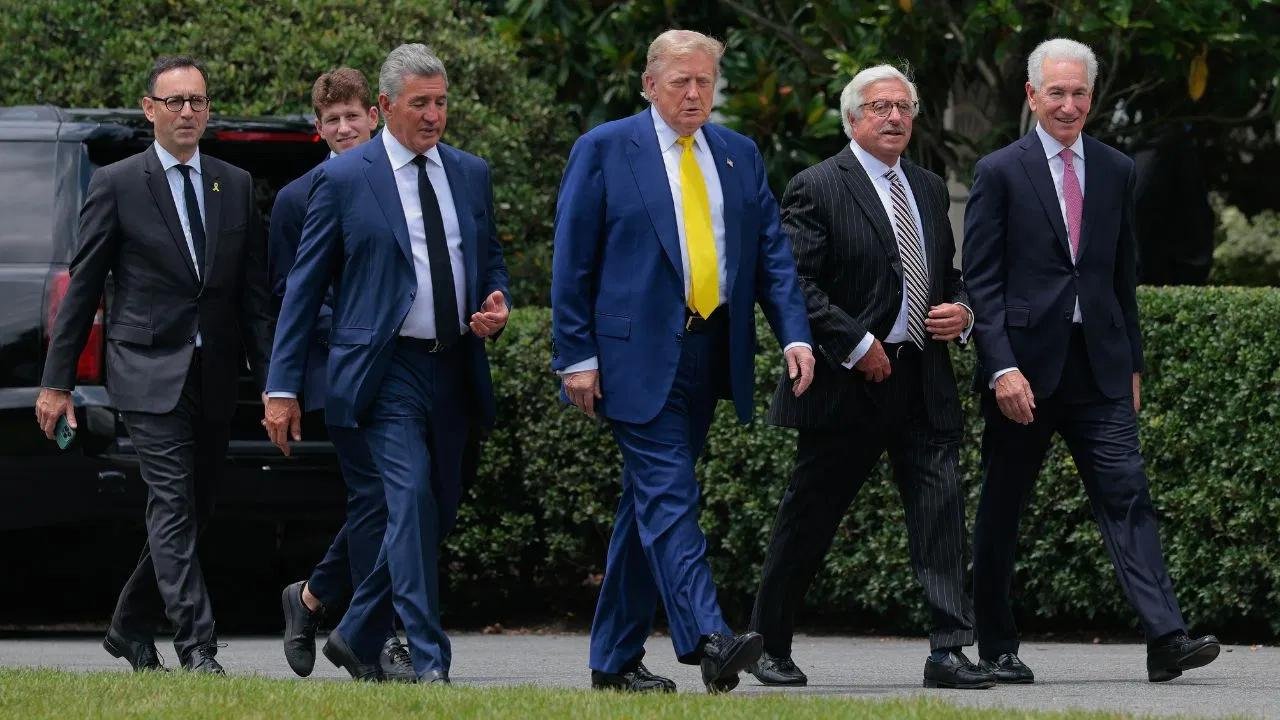
Gifting Habit: Reports from the White House suggest that Trump has gifted these shoes to numerous aides, cabinet members (including VP JD Vance and Secretary of State Marco Rubio), and VIP guests.
The Irony: While the President is providing the brand with significant free publicity, the company is fighting his administration in the US Court of International Trade.
Millions Lost in Tariffs
Weyco Group, which also owns brands like Bogs and Nunn Bush, argues that the current trade policies have made business “nearly impossible.”
China and India: The company initially imported shoes from China but was hit with a 145% tariff. When they attempted to shift imports to India, they were met with further reciprocal tariffs.
CEO’s Statement: CEO Thomas Florsheim Jr. stated that the company has spent millions of dollars on these levies. They are now demanding a full refund of the tariff amounts plus interest.
Price Hikes: To mitigate losses, the company was forced to raise shoe prices by roughly 10%.
Seeking a Supreme Court Strike Down
The lawsuit is part of a larger legal wave involving many American companies.
Legal Hope: Weyco is betting that the US Supreme Court will ultimately strike down the tariffs enacted under the International Emergency Economic Powers Act (IEEPA).
Refund Prospects: Earlier this month, a trade court judge indicated that if the Supreme Court rules against the tariffs, companies could be entitled to substantial refunds.
Status: As of now, the White House has declined to comment on the pending litigation, and it remains unclear when or if the compensation will be paid.