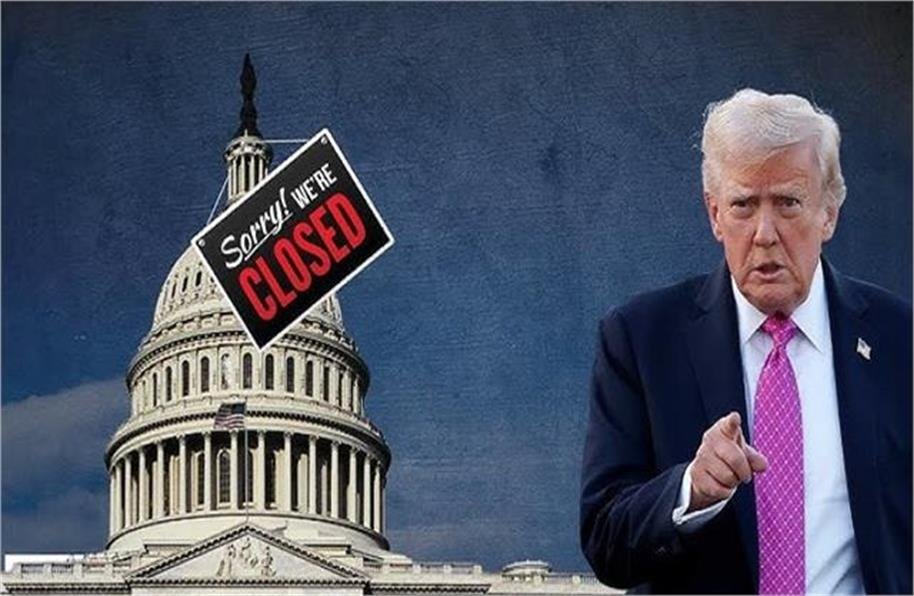
Washington: The world’s largest economy, the United States (U.S) , has been in the grip of a government shutdown since October 1st, with no immediate signs of it ending. Millions of government employees are not receiving their salaries, which is directly impacting their spending power. This is having a cascading effect on small businesses, which are unable to access tax credits and have seen their operations grind to a halt.
Due to the shutdown, several critical government functions, such as lending and tax credit processing, have stalled. Experts warn that if the shutdown persists for a long duration, companies could be forced to lay off employees. Furthermore, restaurants and small businesses, still recovering from the impact of the COVID-19 pandemic, are once again facing an economic crisis.
Key Impacts of the Shutdown:
Stalled Government Operations: Essential services like loan disbursements and tax credit processing are suspended.
Unpaid Federal Employees: Millions of workers are without pay, severely reducing consumer spending.
Small Business Crisis: Inability to secure tax credits and a drop in customer spending is crippling small enterprises.
Threat of Layoffs: A prolonged shutdown could lead to job cuts across various sectors.
The Larger Context
The U.S. federal government’s debt has now reached a staggering $38 trillion. The current shutdown is a result of a failure to pass a funding bill through Congress.
The last major shutdown occurred from December 22, 2018, to January 25, 2019, lasting 35 days and costing the U.S. economy an estimated $3 billion. Analysts caution that the current shutdown could lead to a significant stagnation in American economic activity, with severe consequences for small business owners and employees alike.