Ukraine Strikes Russian Shadow Fleet Tankers in Black Sea: Drones Hit Virat and Kairos Off Turkish Coast
Istanbul, November 29, 2025 (BNN Web Staff) – In a bold escalation of maritime warfare, Ukraine’s security service has claimed responsibility for drone attacks on two Russian oil tankers – Virat and Kairos – part of Moscow’s notorious “shadow fleet” used to evade Western sanctions. The strikes, which occurred late Friday and early Saturday off Turkey’s Black Sea coast, damaged the vessels and forced the evacuation of crew, raising alarms about energy security and navigation safety in the vital waterway.
Turkey’s Transport Ministry confirmed the incidents Saturday, marking the first official acknowledgment of unmanned vessel involvement. The attacks come amid Russia’s ongoing invasion of Ukraine, as Kyiv ramps up asymmetric tactics to disrupt Moscow’s oil exports and war funding.
The Attacks: Drones in the Dead of Night
- Virat: The Gambian-flagged tanker, en route to Russia, was first struck by an unmanned vessel approximately 35 nautical miles (65 km) off Turkey’s coast late Friday. A second drone hit followed early Saturday morning, causing minor damage above the waterline on the starboard side. The ministry reported: “The crew is in good health, and the vessel’s condition is stable.”
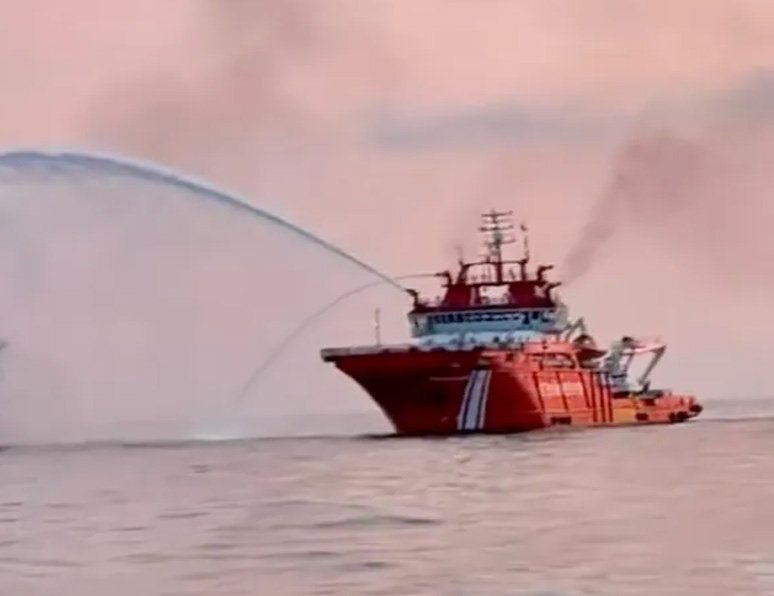
- Kairos: This 274-meter-long tanker, also Gambian-flagged and bound for Russia’s Novorossiysk port, suffered an “external impact” 28 nautical miles (52 km) offshore, igniting a massive fire. Turkish rescue teams evacuated all 25 crew members unharmed, and authorities are still battling the blaze with cooling efforts.
Both incidents unfolded within Turkey’s exclusive economic zone, prompting Ankara to coordinate with international partners to prevent escalation and ensure safe passage.
Ukraine Claims Credit: “Critical Damage” to Shadow Fleet
A Ukrainian Security Service (SBU) source told CNN that Sea Baby maritime drones – a joint SBU-navy operation – were used in the strikes, inflicting “critical damage” that has sidelined the tankers. Dramatic video footage released by the SBU shows the drones gliding silently toward the vessels before exploding on impact, sending plumes of fire and smoke skyward.
“This is a direct blow to Russia’s war machine,” the source said. “The shadow fleet continues to generate billions for the Kremlin by bypassing sanctions – we’re cutting that lifeline.”
The OpenSanctions database confirms both ships are sanctioned assets in Russia’s “ghost fleet” – aging, often uninsured vessels flying third-country flags to transport oil above price caps set after Moscow’s 2022 invasion of Ukraine. These operations have netted Russia over $300 billion in oil revenues since the war began, funding its military.
Russia’s Response and Broader Context
Moscow has not officially commented, but the strikes coincide with a separate Ukrainian drone assault on Novorossiysk – a key Russian oil terminal that halted operations Saturday morning. Transport Minister Abdulkadir Uraloğlu initially suggested the blasts could stem from mines, missiles, or drones, but Saturday’s update pinpointed unmanned vessels.
The incidents highlight Ukraine’s growing naval drone prowess, which has sunk or disabled over 30 Russian vessels since 2022, including the Black Sea Fleet flagship Moskva. With Russia dominating traditional naval power, Kyiv’s low-cost, high-impact strikes – often using off-the-shelf tech – are leveling the playing field.
Implications: Energy Markets on Edge
The attacks could spike global oil prices if they signal a broader campaign against the shadow fleet, which transports 70% of Russia’s seaborne crude. Analysts warn of environmental risks too – uninsured tankers like these pose spill threats in busy shipping lanes.
Turkey, a NATO ally navigating ties with both Ukraine and Russia, emphasized navigational safety and international cooperation. As the war grinds on, these shadowy sea battles underscore the conflict’s far-reaching ripples – from Istanbul’s shores to energy pumps worldwide.