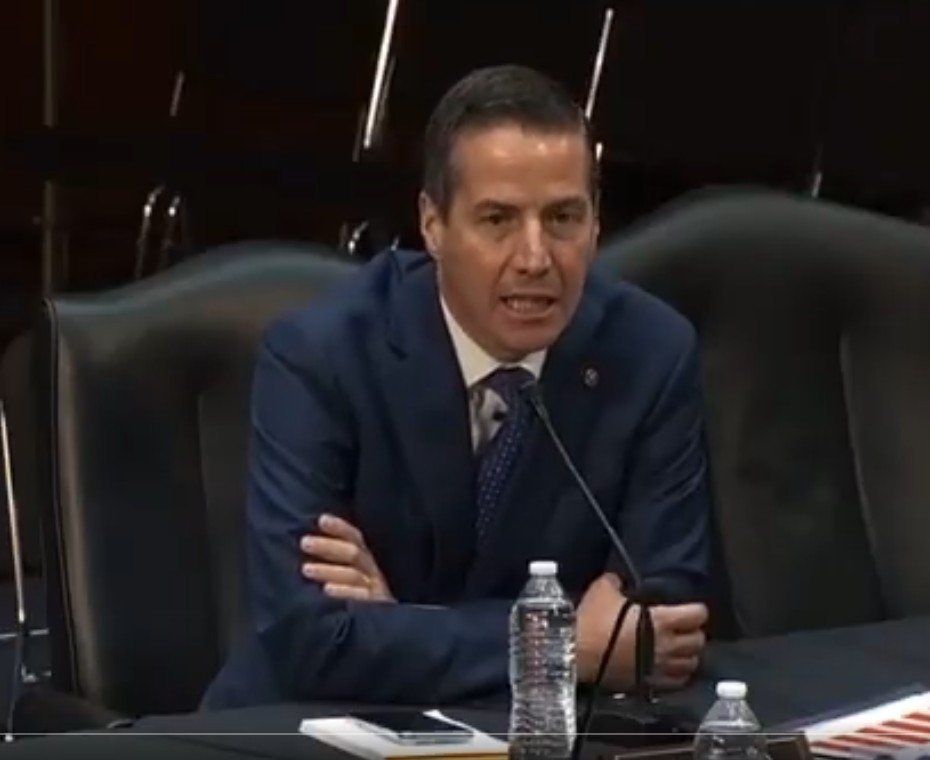
Moreno, originally from Colombia and now solely a US citizen, said becoming an American at age 18 was “one of the greatest honors” of his life.
Washington DC (US), December 2, 2025, BNN Web Staff: US Republican Senator Bernie Moreno of Ohio is set to introduce a bill that would require Americans with dual citizenship to choose one nationality, according to a report by Fox News.
Under the proposal, any US citizen who currently holds another country’s citizenship would have one year to either renounce their foreign nationality or give up their US citizenship. The bill also seeks to automatically strip US citizenship from those who apply for a new foreign citizenship in the future.
Moreno, originally from Colombia and now solely a US citizen, said becoming an American at age 18 was “one of the greatest honors” of his life. He added that citizenship should be “all or nothing,” arguing that dual citizenship creates “divided loyalties” and “conflicts of interest.”
Named the Exclusive Citizenship Act of 2025, the legislation aligns with broader immigration restrictions under the Trump administration. While current US law permits dual citizenship without requiring individuals to choose, Moreno’s bill aims to significantly tighten these rules.
The proposed act would direct the State Department and the Department of Homeland Security (DHS) to establish systems to track and enforce citizenship changes. Those who fail to comply within a year would automatically lose their US citizenship and be classified as foreign nationals under immigration laws.
Attempts to challenge dual citizenship have emerged before — including House efforts to require lawmakers to disclose foreign nationalities or bar dual citizens from serving in Congress. However, legal hurdles remain, as the Supreme Court upheld protections for dual citizenship in rulings dating back to the 1950s.
The Trump administration has previously targeted birthright citizenship, but has not taken a formal position on dual citizenship.