US Supreme Court upholds policy restricting gender markers on passports to “Male” or “Female”
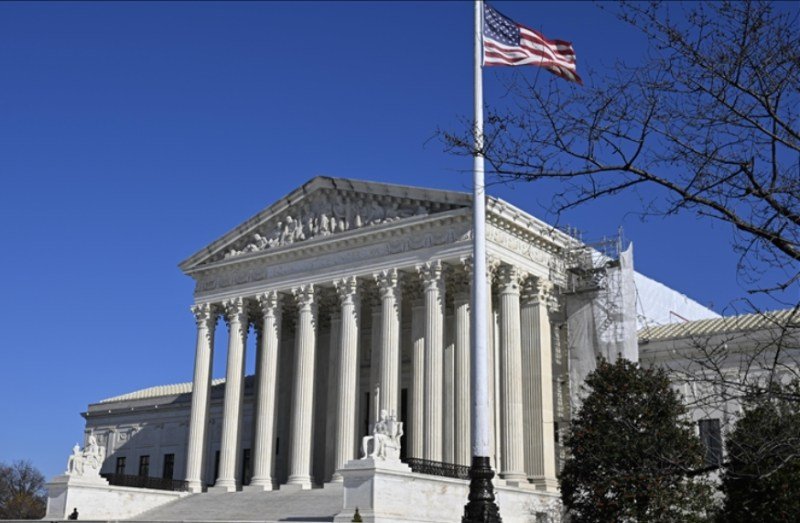
WASHINGTON, D.C. – In a landmark ruling with profound implications for transgender and non-binary Americans, the U.S. Supreme Court on Thursday delivered a major victory to the Trump administration, allowing it to enforce a policy that prevents individuals from selecting their gender marker on passport applications based on their gender identity.
The court granted the U.S. Department of Justice’s request to overturn a lower court’s injunction that had blocked the policy. The decision effectively mandates that the gender listed on a U.S. passport must align with the “sex designated at birth,” rolling back a more inclusive practice that had been in place for decades.
This ruling is widely seen as another significant setback for the rights of transgender Americans under the Trump administration.
A Reversal of Decades of Policy
This new policy overturns a practice established in 1992, when the U.S. State Department began allowing individuals to update their passport gender markers based on medical documentation affirming their gender identity. The Supreme Court’s decision, which was not unanimous, saw three justices publicly dissent.
A class-action lawsuit challenging President Trump’s executive order is still ongoing.
What Changes for Applicants?
The ruling directly reverses a policy change enacted by former President Joe Biden in 2021. Under the Biden administration, all U.S. citizens gained the freedom to select “M,” “F,” or a third, non-binary option, “X,” on their passport applications.
This freedom has now been revoked. Applicants will no longer be able to use the “X” marker or change their gender designation without documentation of their sex assigned at birth.
Broader Context of Administration’s Policies
This passport policy is part of a series of executive actions President Trump has taken since returning to office in January to limit the rights of transgender people. In one such order, he declared that the U.S. government would only recognize two genders: male and female. Trump has publicly denounced transgender identity as “false.”
Earlier this year, in May, the Supreme Court also permitted the Trump administration to ban transgender individuals from serving in the military.
Protesters and advocacy groups have condemned the passport ruling, stating that it severely undermines the rights and dignity of transgender and non-binary people, effectively erasing legal recognition of their identities.