New Delhi: On the occasion of World Diabetes Day on Friday, the World Health Organization’s South-East Asia Region issued an urgent call for stronger, unified action to confront the rapidly increasing burden of diabetes. The region is now home to more than 279 million adults living with the disease, accounting for almost one-third of all cases worldwide.
Dr. Catharina Boehme, Officer-in-Charge for WHO South-East Asia, said the region continues to struggle with late diagnoses, inadequate treatment, and poor blood glucose control. According to WHO estimates, only one in three adults with diabetes receives treatment, and less than 15 per cent are able to maintain healthy blood glucose levels.
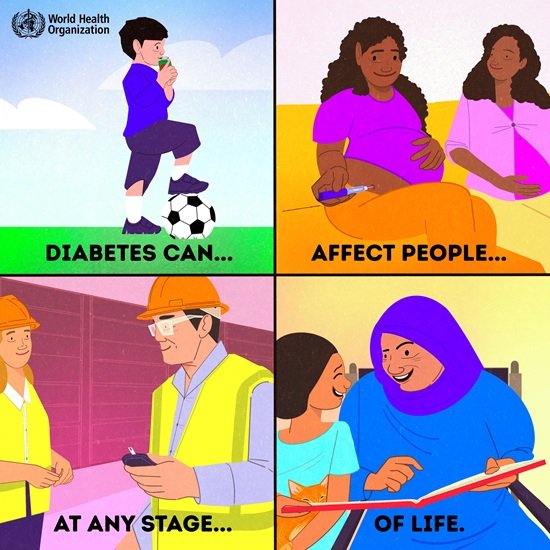
This year’s World Diabetes Day theme, “Diabetes across life stages,” underscores the importance of ensuring accessible, appropriate care from childhood through old age.
WHO highlighted that:
* Children with diabetes need timely, personalised support at home and in schools.
* Pregnant women require proper management to protect their health and that of their babies.
* Older adults need sustained care to manage their condition and prevent severe complications.
While type 1 diabetes cannot be prevented, Dr. Boehme noted that it can be effectively managed.
She added that the risk of type 2 diabetes can be significantly reduced through regular exercise, a nutritious diet, and avoiding tobacco and alcohol, along with proper treatment for those already diagnosed.
The WHO official also pointed to recent regional progress.
In 2023, member countries adopted the SEAHEARTS resolution to strengthen diabetes prevention and control in primary healthcare using WHO’s HEARTS technical package.
In 2024, nations endorsed the Colombo Call for Action, aimed at improving prevention and expanding access to essential diabetes treatments, including insulin and blood glucose monitoring devices.
Most countries in the region now follow standardised, evidence-based diabetes management protocols, ensuring at least one hypoglycaemic medicine is available at public health facilities.
More than 33 million people across South-East Asia are currently receiving protocol-based care in government-run healthcare centres.
Calling for deeper cooperation, Dr. Boehme urged governments, health professionals, civil society groups, and communities to accelerate their efforts.
World Diabetes Day, she said, should serve as a reminder of the shared responsibility to curb the diabetes epidemic and guarantee that people of all ages receive the care needed to live healthy, dignified lives.