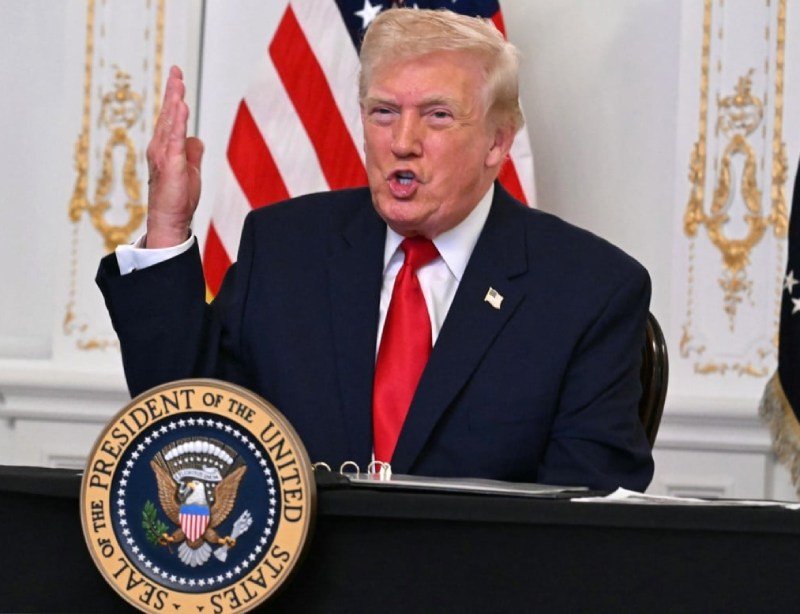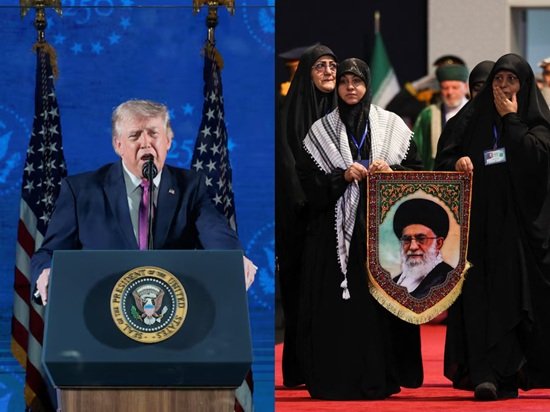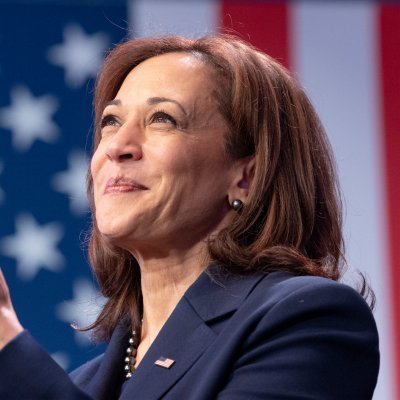
Washington DC (US), April 19, 2026: Former US Vice President Kamala Harris has sharply criticised Donald Trump, alleging that his involvement in escalating tensions with Iran is being driven by political motives rather than strategic necessity.
Addressing a gathering organised by the Michigan Democratic Women’s Caucus in Detroit, Harris claimed that Trump had been “pulled into” a potential conflict by Benjamin Netanyahu.
She described the situation as an unnecessary confrontation that does not reflect the will of the American public.
Harris further argued that the administration’s military posture, including what she referred to as “Operation Epic Fury,” was being used as a distraction from domestic controversies, including issues linked to the so-called Epstein files.
She labelled the move a “feeble attempt” to divert attention from mounting scrutiny at home.
In a strongly worded critique, Harris characterised the current leadership as deeply flawed, accusing it of undermining both governance and global credibility.
She suggested that Trump’s approach to foreign policy signals a departure from long-standing US traditions of maintaining alliances and upholding international norms.
According to Harris, the administration’s stance has weakened Washington’s standing on the global stage, making it more difficult for the United States to influence key international issues.
She also warned that disregarding principles such as sovereignty and territorial integrity could have long-term consequences for diplomatic relations.
Beyond foreign policy, Harris touched upon domestic concerns, including economic challenges, healthcare access, and reproductive rights, framing them as areas requiring urgent attention.
Looking ahead, she expressed optimism about the Democratic Party’s performance in the upcoming midterm elections, signalling confidence in a political shift.
The remarks come at a time of heightened geopolitical tension and deepening political divisions within the United States, as debates intensify over both foreign engagements and domestic accountability.