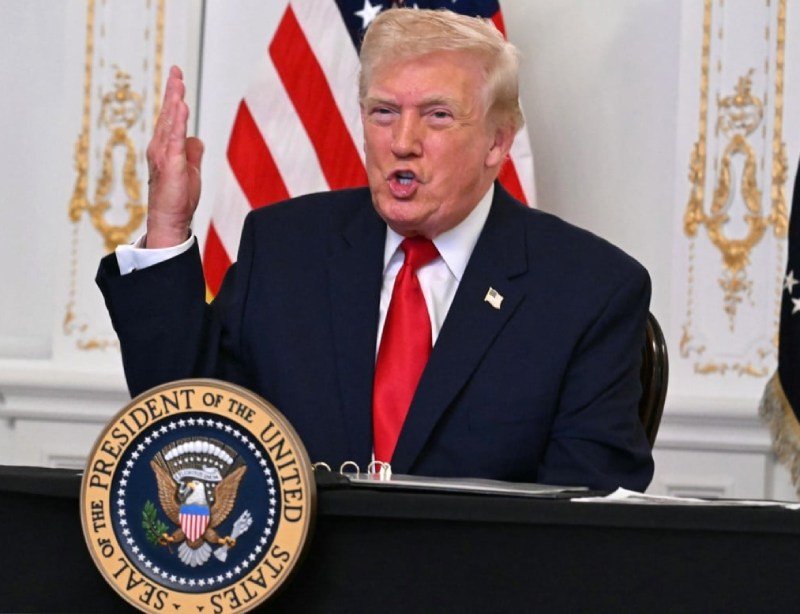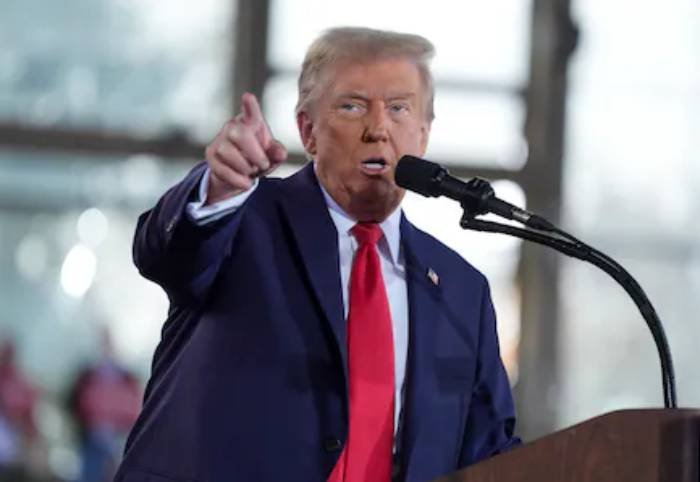
New York (US), June 9, 2026, BNN Web Staff: US President Donald Trump has sharply criticized federal judges after a court struck down his administration’s proposed $100,000 fee for H-1B visa applications, calling the judicial intervention “crazy” and accusing the courts of harming the country.
Speaking to reporters in New York after attending the NBA Finals, Trump expressed frustration over a series of court rulings that have challenged key administration policies.
He argued that the judiciary was creating obstacles for the government and negatively affecting national interests.
The controversial fee proposal was recently invalidated by a federal court, which ruled that the administration lacked congressional authorization to impose such a substantial charge and that the measure effectively amounted to an unlawful tax.
Despite the setback, the White House has vowed to appeal the decision.
Administration officials maintain that reforms to the H-1B programme are necessary to address what they describe as longstanding misuse of the visa system.
White House spokesperson Taylor Rogers defended the policy, stating that the administration remains confident the ruling will be overturned in higher courts.
Officials argue that the proposed fee was part of broader efforts to reform employment-based immigration and protect American workers.
However, the court’s decision has drawn support from lawmakers across party lines.
Several Republican and Democratic legislators welcomed the ruling, warning that the hefty fee would have placed a significant burden on employers that depend on foreign professionals to fill critical workforce gaps.
Among them, Lisa Murkowski highlighted the importance of the H-1B programme for rural communities, particularly in education. She noted that many remote school districts rely on international teachers recruited through the visa programme to address staffing shortages.
Healthcare providers were also cited as potential victims of the proposed fee. Republican Congressman Mike Lawler said the measure would have worsened existing workforce shortages in hospitals and medical facilities. He pointed to bipartisan efforts in Congress aimed at protecting healthcare professionals from additional immigration-related costs.
Democratic lawmakers echoed similar concerns. Congressman Don Beyer argued that the fee would have increased financial pressure on healthcare institutions already struggling to recruit qualified personnel.
Critics of the proposal also warned that the steep charge could discourage highly skilled professionals from seeking opportunities in the United States. Congressman Sanford D. Bishop Jr. said such a policy risked undermining innovation and economic growth by making it more difficult for employers to attract global talent.
The legal challenge was welcomed by state officials who had opposed the fee. Rob Bonta described the ruling as a victory for industries that depend on skilled international workers, while New Jersey officials argued that the administration had exceeded its authority by attempting to impose the charge without congressional approval.
Not all Republicans agreed with the court’s decision. Congressman Eli Crane criticized the ruling and called on Congress to pursue legislative reforms aimed at tightening regulations governing the H-1B programme.
The court ruling marks a significant setback for the Trump administration’s immigration agenda and has attracted particular attention in India, where a large number of professionals rely on the H-1B visa pathway for employment opportunities in the United States.
The H-1B programme remains a key route for US employers seeking highly skilled workers in sectors such as technology, engineering, healthcare and finance. Indian nationals consistently account for the largest share of H-1B visa recipients, making any changes to the programme closely watched by businesses and professionals on both sides of the globe.