Washington, DC [US], September 25, 2026, BNN Web Staff: Tibetan, Uyghur, Hong Kong and Chinese pro-democracy groups staged demonstrations in Washington, DC, during Chinese President Xi Jinping’s three-day visit to the United States, calling for greater international attention to human rights and political freedoms.
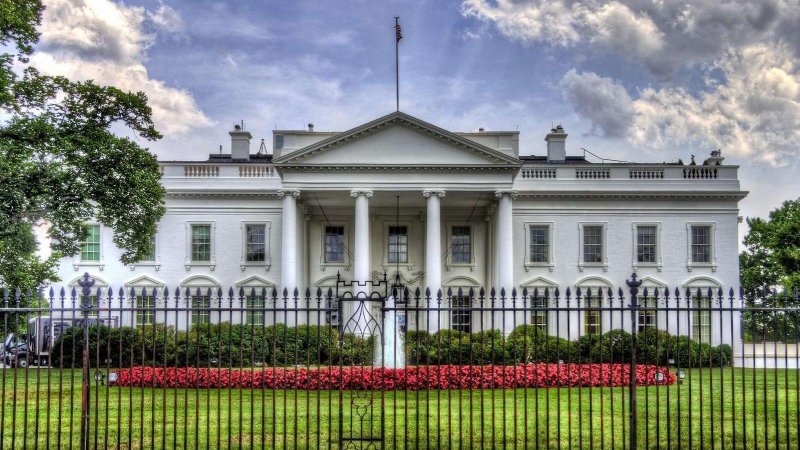
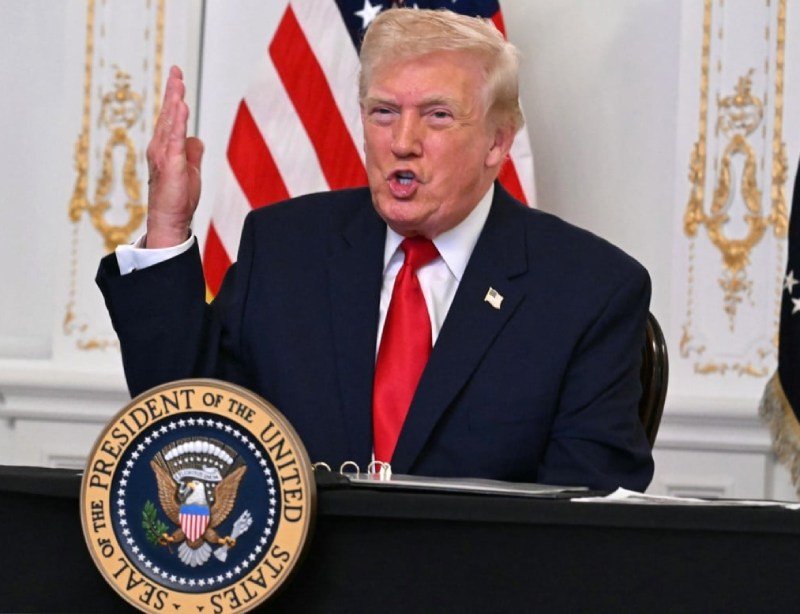
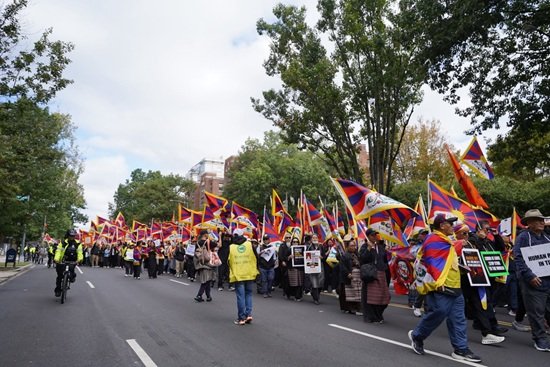
The protests took place as Xi held meetings with US President Donald Trump, including a state dinner at the White House on Thursday. Demonstrators gathered near the Chinese Embassy and other locations in the capital, with Tibetan protesters carrying flags and banners calling for a “Free Tibet” and chanting slogans opposing Beijing’s policies.
The mobilisation brought together activists from several diaspora communities, including Tibetans, Uyghurs, Hongkongers and Chinese democracy advocates. Protesters sought to place concerns over Tibet, Xinjiang, Hong Kong and broader human rights issues alongside the US-China diplomatic engagement.
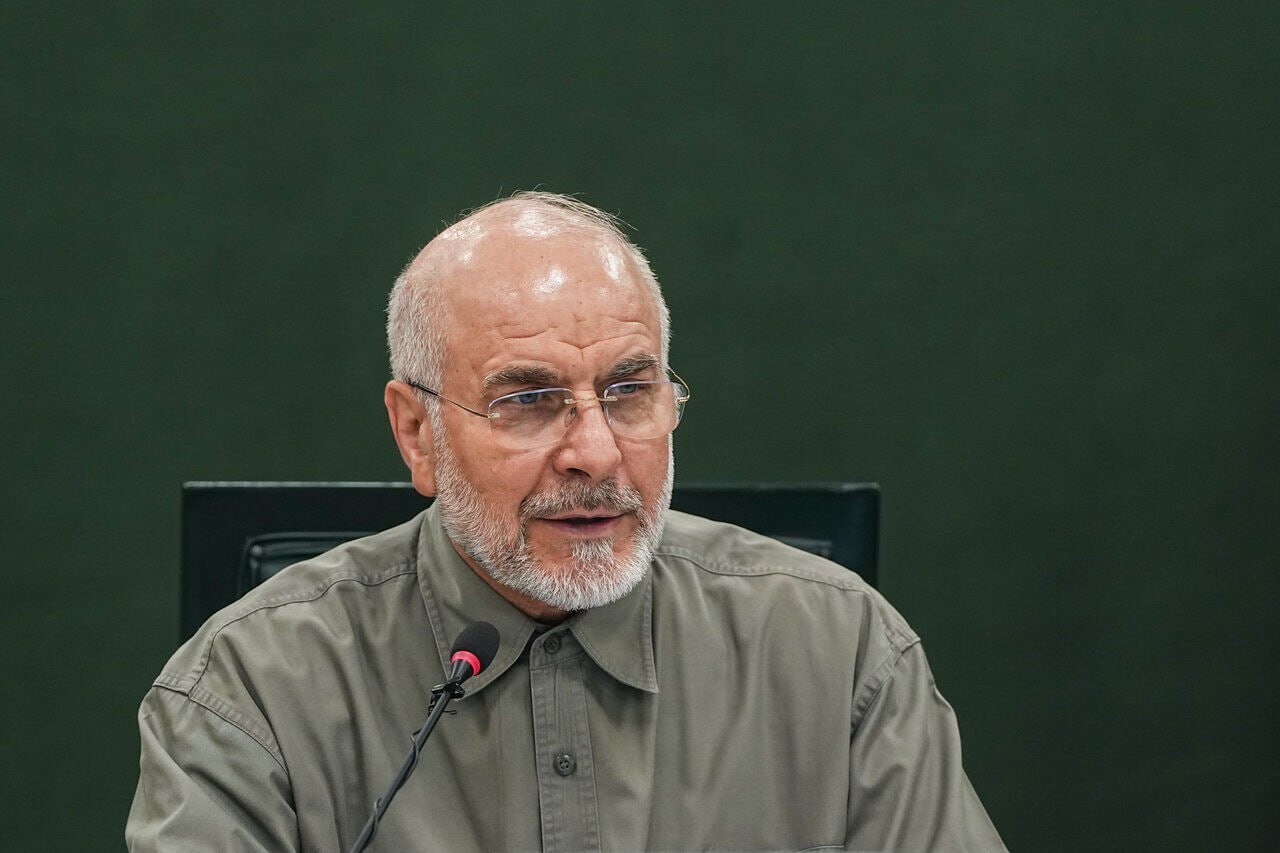
Uyghur Human Rights Project Executive Director Omer Kanat drew a parallel between the concerns raised by Uyghur and Tibetan communities. He alleged that Chinese government policies had restricted religious practices, language and cultural expression in Tibet and said Uyghurs faced similar restrictions in Xinjiang.
Kanat also raised concerns about alleged arbitrary detention, forced labour, surveillance and family separation affecting Uyghurs. He said members of diaspora communities continued to face pressure over their ability to speak publicly about these issues.
Tibetan organisations, including the Tibetan Youth Congress and Capital Area Tibetan Association, took part in the mobilisation, with support from groups such as the International Campaign for Tibet and Students for a Free Tibet. Organisers had called for Tibet and human rights concerns to be raised during the Trump-Xi meetings.
Protesters also urged Washington to address the longstanding political dispute over Tibet and what they describe as restrictions on Tibetan cultural, religious and political rights.
Beijing rejects allegations that its policies in Tibet and Xinjiang amount to repression. Chinese authorities have maintained that measures in the regions are aimed at economic development, social stability and combating extremism.
The demonstrations formed a parallel backdrop to Xi’s meetings with Trump, where the two leaders discussed China-US relations, trade, artificial intelligence, Taiwan and other international issues.