Washington DC (US) April 20, 2026, BNN Web Staff: Global financial and energy markets turned volatile on Monday after renewed uncertainty over a US–Iran ceasefire and reports that Iran’s Islamic Revolutionary Guard Corps (IRGC) plans to restrict movement through the strategic Strait of Hormuz.
Crude oil prices jumped sharply in early trade, reflecting fears of potential supply disruptions. Brent crude rose by 4.72 per cent to USD 94.65 per barrel, while West Texas Intermediate (WTI) surged 5.51 per cent to USD 88.47 per barrel.
The geopolitical tension also weighed on investor sentiment in the United States. Dow Jones Futures fell by 367.44 points, or 0.74 per cent, during early trading hours, signaling cautious sentiment across equity markets. Gold, often seen as a safe-haven asset, eased slightly to USD 4,807.93 per ounce.
Asian markets showed a mixed response. Japan’s Nikkei 225 gained 614.10 points, or 1.05 per cent, reaching 59,090.00. South Korea’s KOSPI advanced 1.32 per cent to 6,273.92, while Taiwan’s Weighted Index climbed 413.85 points to 37,218.19.
Hong Kong’s Hang Seng index rose 0.61 per cent to 26,321.00, and China’s Shanghai Composite posted a 0.52 per cent gain. However, Singapore’s Straits Times Index slipped marginally by 0.06 per cent, reflecting uneven regional sentiment.
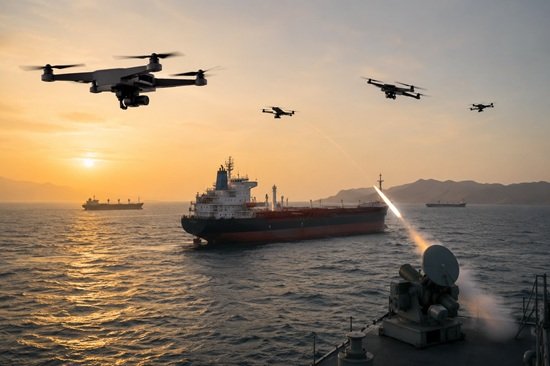
The market turbulence follows reports that the IRGC has warned of restrictions on maritime traffic through the Strait of Hormuz, citing alleged violations of ceasefire conditions by the United States. According to international reports, Iranian authorities have indicated that vessels may be subject to stricter controls, prioritised passage rules, and potential delays unless compliance requirements are met.
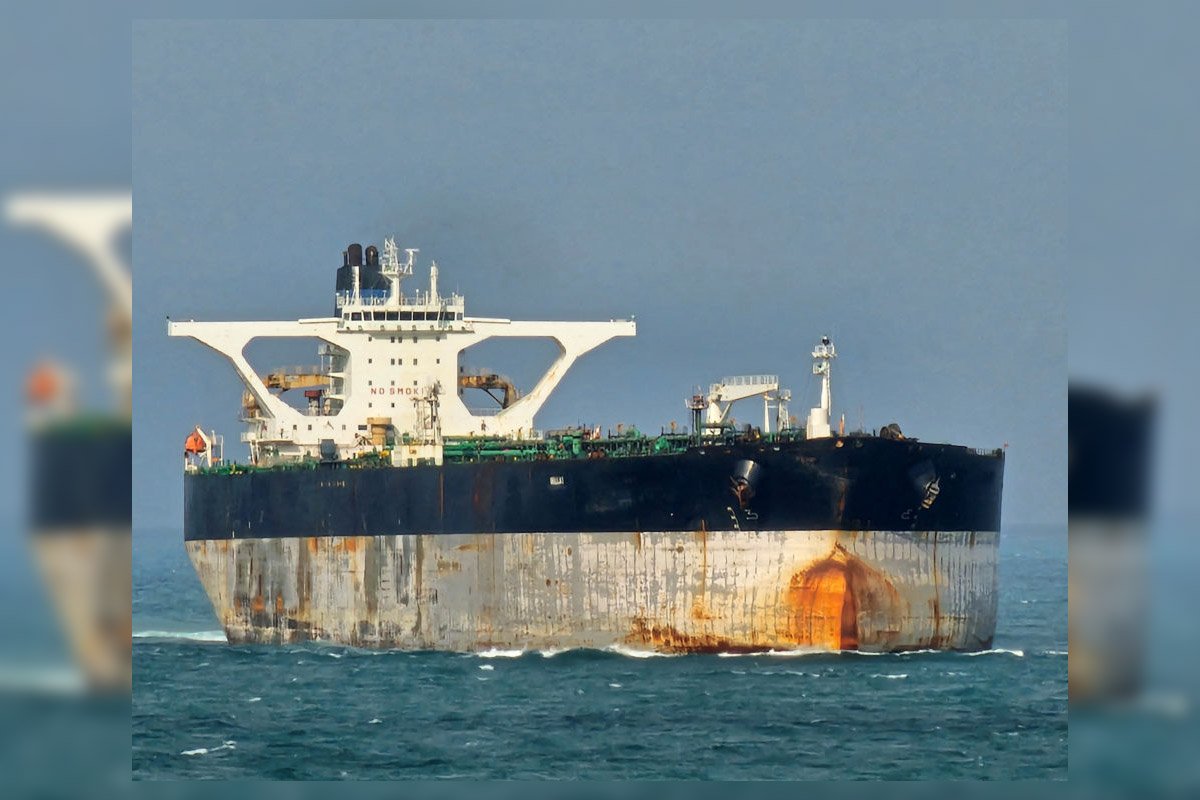
The Strait of Hormuz, a critical global oil transit route, has long been a flashpoint in regional tensions. Any disruption in the waterway typically triggers immediate concerns in global energy markets due to its role in transporting a significant share of the world’s oil supply.
Earlier reports suggested that Iran had warned vessels to avoid movement through the region under current conditions, while also advising shipping operators to follow official naval communications.
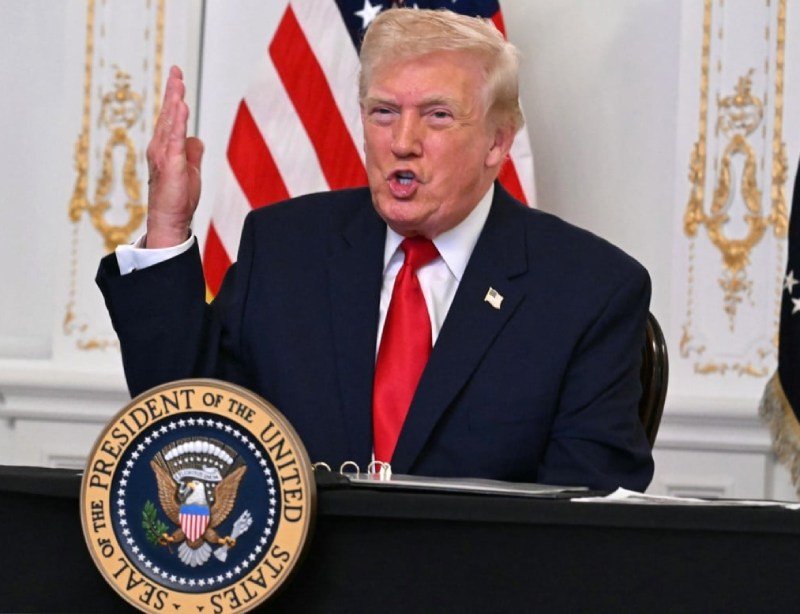
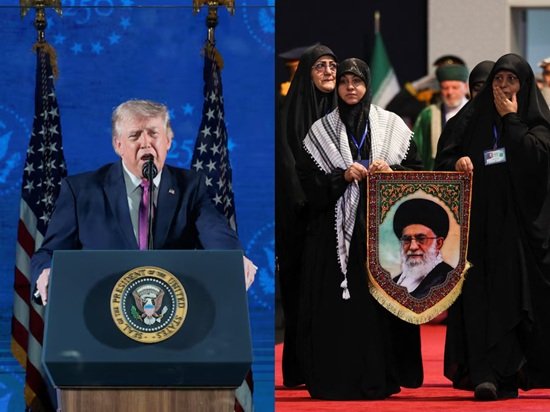
On the diplomatic front, tensions escalated further after remarks from former US President Donald Trump, who warned Tehran against what he described as attempts to exert pressure through maritime restrictions, stating that Iran lacked the military capability to challenge the United States.
Iranian officials, meanwhile, have reiterated that maritime movement through the Strait is now subject to stricter regulation under their armed forces’ supervision, citing security concerns and alleged breaches of prior understandings.
Markets are expected to remain highly sensitive to further developments in the region, particularly any escalation involving naval activity or disruption of oil shipments through the Strait of Hormuz.