Washington DC (US), April 28, 2026, BNN Web Staff: António Guterres has called for the urgent restoration of free navigation through the strategically vital Strait of Hormuz, stressing that uninterrupted maritime movement is essential for global trade and economic stability.
In a strong appeal, the UN chief urged all concerned parties to ensure that vessels can pass without barriers or discrimination. He underscored that the strait must remain open, free from tolls or restrictions, warning that any disruption poses serious economic and humanitarian risks worldwide.
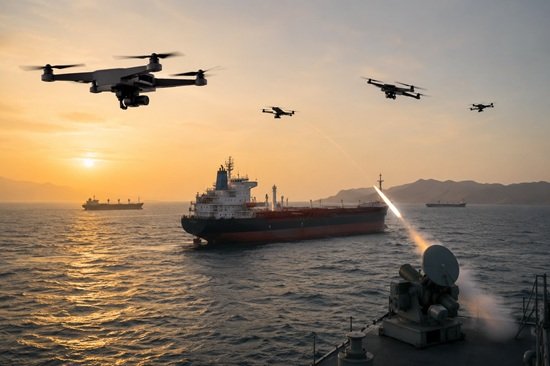
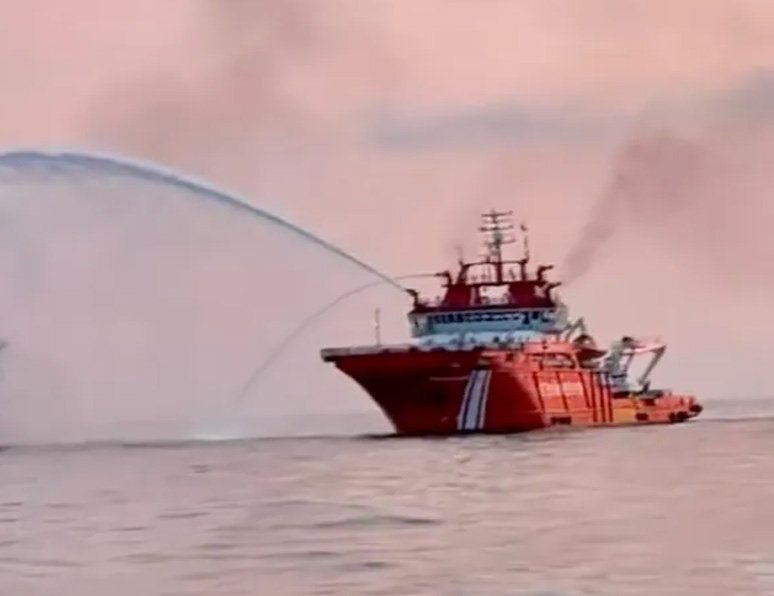
The remarks come amid escalating tensions in the Gulf, with concerns growing over reported attempts to regulate or impose charges on ships transiting the narrow waterway—one of the world’s most critical routes for oil shipments.
Reacting sharply, Marco Rubio criticised any move to control or monetise access, asserting that such actions would violate international norms governing shared waterways. He maintained that freedom of navigation cannot be subject to unilateral permissions or financial demands.
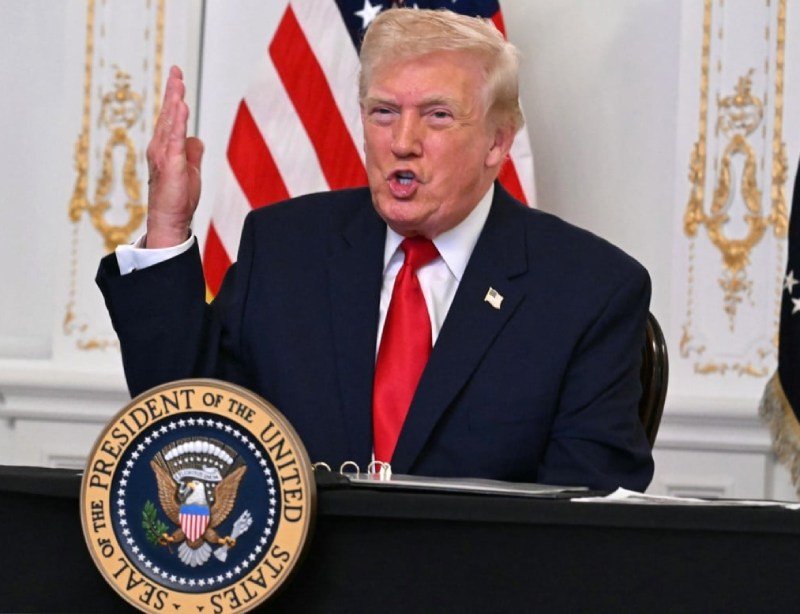
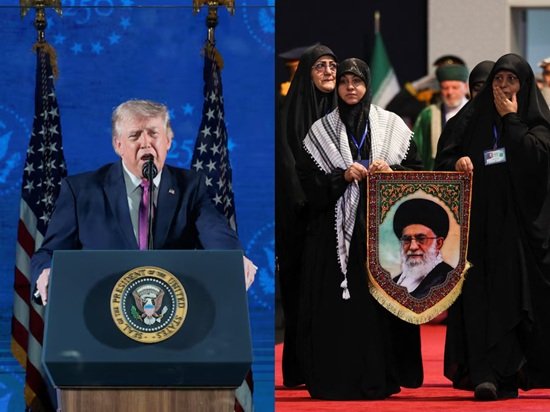
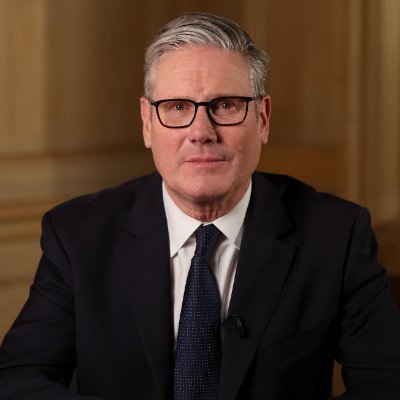
Global leaders have also stepped in to highlight the urgency of the situation. Keir Starmer and Donald Trump, during a recent conversation, emphasised the need to swiftly restore maritime traffic. They warned that prolonged disruption could trigger widespread economic consequences, including rising costs of living across multiple regions.
Diplomatic and security efforts are reportedly underway, with the United Kingdom and France exploring coordinated measures following recent strategic discussions.
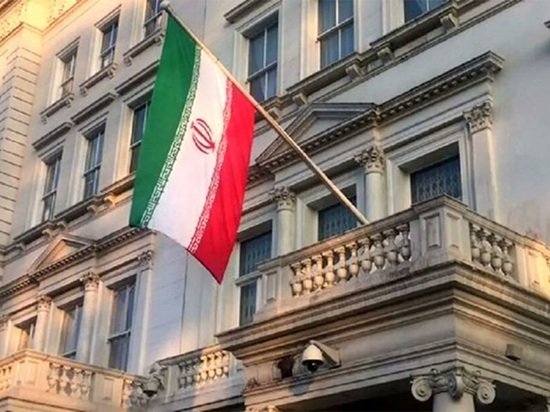
Meanwhile, Iran’s state broadcaster Press TV reported that revenue collected from newly introduced transit fees has been deposited with the country’s central bank, further fuelling international concern over the evolving situation.
The Strait of Hormuz handles a substantial portion of global energy shipments, making any disruption a significant threat to supply chains and the broader world economy.