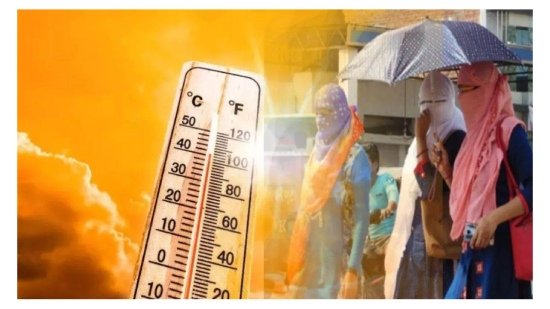
Heatwave Crisis: 100K Deaths, Half Tied to Climate Change
Heatwave Crisis: A significant study led by Australia’s Monash University and a team of international researchers has revealed a stark reality: humanity has endangered itself through its own actions. The study found that the unusual and deadly heatwaves of 2023 caused approximately 100,000 deaths worldwide, with half of these fatalities directly attributable to human-induced climate change.
The research clarifies that our everyday activities—such as burning coal, oil, and gas—are intensifying global heat, with fatal consequences for health and life. Globally in 2023, extreme and record-breaking heatwaves led to an estimated 178,486 excess deaths. Of these, nearly 97,000—roughly half—were connected to human-caused climate change.
Key Findings of the Study
Scope: The analysis incorporated data from 2,013 locations across 67 countries and regions.
Regional Impact: Southern Europe recorded the highest mortality rate. Meanwhile, in the subtropics and temperate regions of the Northern Hemisphere, a greater number of deaths were linked to chronic heart and lung diseases exacerbated by the heat.
Urgent Call to Action: The study warns that due to rising global temperatures, immediate adaptation measures to protect health and stringent climate control policies are essential.
Future Projections and Causes
The report underscores the escalating risks. According to Australia’s National Climate Risk Assessment (NCRA), if temperatures rise by more than 3 degrees Celsius:
- By 2050, an additional 1.5 million coastal homes will be at risk.
- By 2090, this number will exceed 3 million.
The primary driver of this change is the burning of fossil fuels (coal, oil, and gas), which releases greenhouse gases like CO₂ and methane. These emissions trap heat in the atmosphere, leading to a steady increase in the Earth’s surface temperature.