CLIMATE & ENVIRONMENT News- The world is confronting the escalating impacts of climate change, with experts warning of a sharp increase in natural disasters like wildfires, bushfires, and extreme heat due to human-induced global warming. From the Amazon and Congo forests to cities in Australia and the United States, the evidence of the climate crisis is undeniable.
A World in Flames: The Scale of Destruction
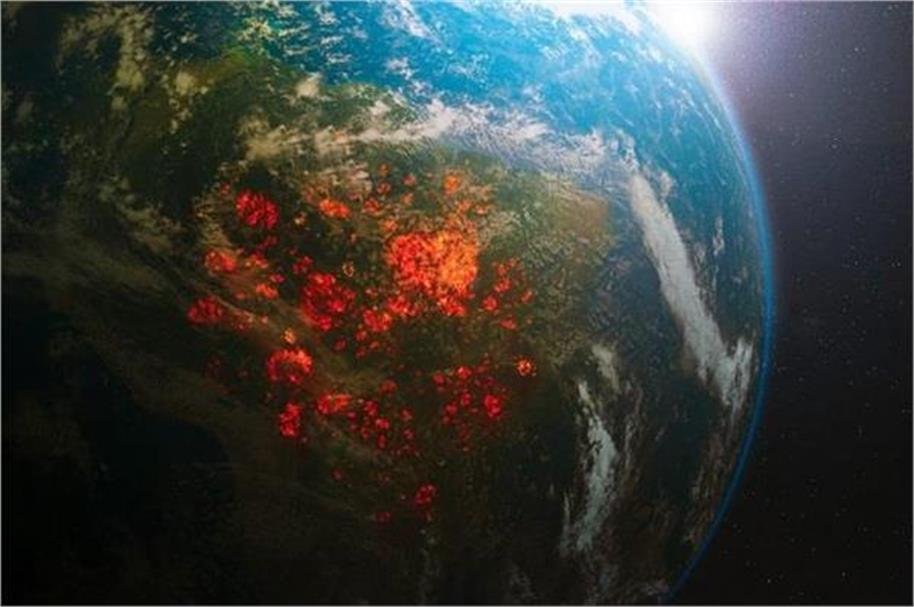
According to Hamish Clarke, a senior research fellow at the University of Melbourne, nearly 3.7 million square kilometers of land worldwide was affected by wildfires last year. This devastation impacted over 100 million people and endangered homes and infrastructure worth an estimated $215 billion.
Australia: Bushfires burned millions of hectares in western and central regions.
United States: Unusually wet weather followed by a hot January intensified fires in Los Angeles.
South America: The Pantanal-Chiquitano region experienced fires made 35 times more likely by climate change.
Climate scientists warn that if greenhouse gas emissions continue to rise, fire and heat events will become even more frequent and severe. They emphasize the need for local and regional knowledge, effective forest management, household preparedness, and robust disaster management to combat these fires.
A Future of Extreme Heat, Unequally Shared
A study by the U.S.-based World Weather Attribution and Climate Central projects that by the end of the century, the world will face an average of 57 additional “extremely hot” days each year.
The impact, however, will not be felt equally. The study highlights a grave climate injustice:
Smaller, poorer nations, which have contributed the least to pollution, will be disproportionately affected.
Larger emitter nations like the U.S., China, and India will face relatively less impact.
For instance:
Panama could endure up to 149 additional extreme heat days.
The U.S. and China are projected to face only 23-30 additional days.
A Call for Action
Experts stress that it is not too late to act. Reducing greenhouse gas emissions, halting deforestation, and protecting nature are critical.
The upcoming UN climate conference (COP30) in Belém, Brazil, will be a crucial platform for world leaders, scientists, and civil society to discuss measures to tackle climate change. Without global action and local preparedness, both humanity and nature face severe and escalating damage from wildfires, extreme heat, and other climate-driven disasters.