WASHINGTON:
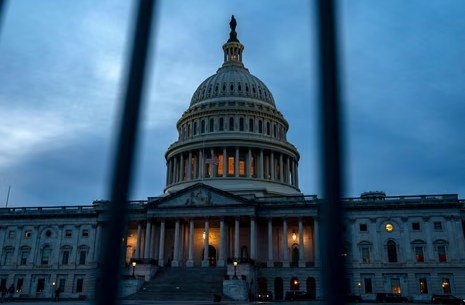
House lawmakers are making a long-awaited return to the nation’s capital on Wednesday after nearly eight weeks away to potentially end the longest federal government shutdown in U.S. history.
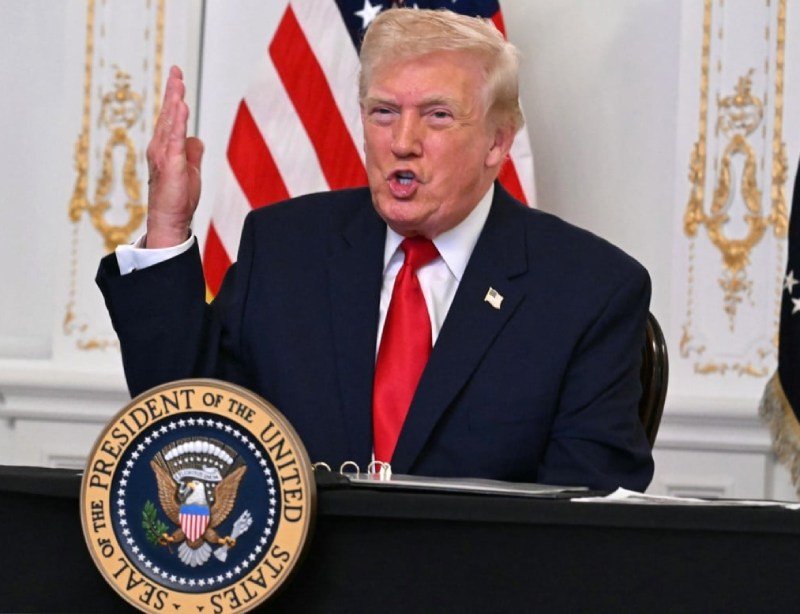
The House is scheduled to vote on a bill to reopen the government, which the Senate passed on Monday night. President Donald Trump hailed the measure as a “very big victory.” While travel delays caused by the shutdown could complicate the vote, Speaker Mike Johnson expressed confidence, stating the GOP was “very optimistic” about the outcome.
“We think this is going to happen and we’re sorry it took this long,” Johnson told reporters.
Political Tensions and Blame
The House has not been in session since September 19, after passing a short-term funding measure. Johnson sent lawmakers home, placing the responsibility to act on the Senate and stating House Republicans had “done their job.”
Democrats criticized this move, accusing Republicans of going on “vacation” while federal workers went without pay, travelers faced airport delays, and food assistance benefits expired. Johnson countered that members were doing important work in their districts helping constituents navigate the shutdown.
The Compromise and Its Provisions
The Senate legislation, which broke the impasse, secured buy-in from eight Democratic senators who concluded Republicans would not concede on including an extension for Affordable Care Act tax credits. This led most Democrats to oppose the bill.
“Our strong expectation is that Democrats will be strongly opposed,” said Democratic Leader Hakeem Jeffries.
The compromise legislation funds three annual spending bills and extends the rest of the government funding through January 30. Key elements of the deal include:
- A reversal of firings of federal workers by the Trump administration during the shutdown.
- Protection for federal workers against further layoffs through January, with guaranteed back pay.
- Full funding for key Agriculture Department food assistance programs for the rest of the budget year.
- $203.5 million to boost security for lawmakers and an additional $28 million for Supreme Court justices’ security.
- A provision allowing senators to sue if their electronic records are searched without notification—a measure seen as a response to the FBI’s investigation into the January 6th Capitol attack.
Republicans promised a vote by mid-December to extend the health care subsidies, though its passage is not guaranteed.
Divisive Health Care Debate
The expiring health care tax credits were the central point of contention. Democrats framed the issue as a “health care crisis,” with Senator Bernie Sanders calling the compromise a “horrific mistake.”
Republicans, however, placed the blame on Democrats. Republican Rep. Tom Cole stated, “It’s a subsidy on top of a subsidy. Our friends added it during COVID… They set a date certain that the subsidies would run out. They chose the date.”
The path forward on health care remains uncertain. While some Republicans like Senator Susan Collins are open to extending the credits with modifications like income caps, others, including former President Trump, have used the debate to renew calls for the health law’s repeal.