Washington:
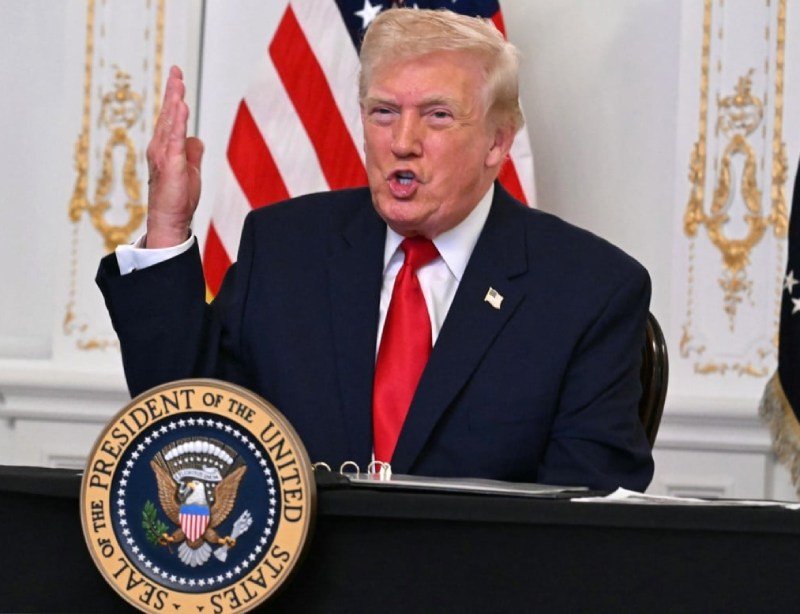
In a move that has raised concerns about American influence, U.S. President Donald Trump sent a letter to Israel’s President on Wednesday, formally requesting a pardon for Prime Minister Benjamin Netanyahu in his long-running corruption trial. This latest attempt by Trump to intervene on Netanyahu’s behalf has prompted serious questions about undue U.S. interference in Israel’s domestic affairs.
The letter to President Isaac Herzog marks Trump’s most direct intervention yet. Last month, during a speech to the Israeli parliament, Trump had also publicly called for Netanyahu to be pardoned. That visit was part of a brief trip to Israel to discuss his ceasefire plan for the war in Gaza.
Contents of the Letter
In the letter dated Wednesday, Trump described the corruption case as a “political and unjust prosecution.”
“As the great nation of Israel and the wonderful Jewish people move forward from an extremely difficult three-year period, I call on you to grant a full pardon to Prime Minister Benjamin Netanyahu, who has been a formidable and resolute Prime Minister in wartime and is now leading Israel into peacetime,” Trump wrote.
Netanyahu is the first sitting Prime Minister in Israeli history to be put on trial. He faces charges of fraud, breach of trust, and bribery in three separate cases. The allegations against him include showing favoritism to wealthy political supporters. Netanyahu has denied all charges, condemning them in terms similar to Trump, calling it a fabricated conspiracy by the media, police, and judiciary.
Netanyahu’s Response and Legal Context
Netanyahu posted his gratitude to Trump on X late Thursday, though his message did not explicitly acknowledge the pardon request.
“President Trump, thank you for your wonderful support. As always, you cut right to the chase and call it like it is. I look forward to continuing our partnership to strengthen security and expand peace,” he wrote.
Netanyahu has testified multiple times, but the proceedings have faced repeated delays since the war began in October 2023 following the Hamas terrorist attacks.
The President’s Role and Reaction
While the Israeli presidency is largely a ceremonial role, the President holds the power of pardon. President Herzog acknowledged receiving the letter but stated that anyone seeking a pardon must submit a formal request through the proper channels. He declined to say how he would respond to a request from Netanyahu.
Publicly, Herzog has only stated that he believes the trial has been a distraction and a source of division for the country and that he would like to see Netanyahu and the prosecution reach a settlement.