UK News- Minister Rejects Claims That Budget Leaks Have “Paralysed” the Economy
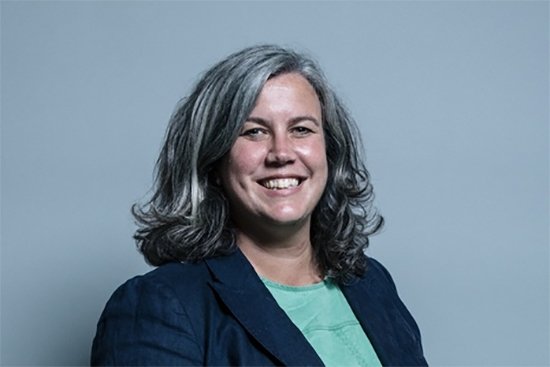
UK News, 23 November 2025 (BNN Web Staff) – Transport Secretary Heidi Alexander has strongly denied that months of pre-Budget leaks and speculation have harmed the UK economy, despite sharp criticism from economists and opposition parties.
Alexander insisted that speculation is normal before any Budget and that Chancellor Rachel Reeves has been “clear about her priorities from the start”.
Her comments come after former Bank of England chief economist Andy Haldane described the prolonged uncertainty as the “single biggest reason” why economic growth has flat-lined in recent months.
“This fiscal fandango has been costly for the economy,” Haldane said. “It’s caused paralysis among businesses and consumers.” He criticised the Budget process as “too lengthy, too leaky, with real costs” – a problem he said had worsened under successive governments.
What Triggered the Row?
In the run-up to Wednesday’s Budget, media reports – often based on anonymous government briefings – suggested Rachel Reeves was considering breaking Labour’s election manifesto pledge not to raise the basic, higher or additional rates of income tax.
Other widely trailed measures included reform of inheritance tax, capital gains tax, pension relief and employer National Insurance contributions.
Last week, however, sources confirmed the Chancellor had stepped back from increasing income tax rates after better-than-expected public finance forecasts.
Opposition Demands Investigation
The Conservatives have written to the Treasury’s top civil servant demanding an urgent probe into the leaks.
Shadow Chancellor Mel Stride said: “Either ministers have approved the widespread briefing of confidential information, or serious unauthorised leaks have occurred within your department. Both scenarios have real-world consequences, including for financial markets.”
What’s Expected in Wednesday’s Budget?
While major income tax rises now appear off the table, Reeves is still expected to announce a package of tax increases and spending reforms to close what the government calls a £22–40 billion “black hole” in the public finances.
Measures still under consideration include:
- Extending the freeze on income tax thresholds (effectively a stealth tax rise as wages grow)
- Changes to capital gains tax, inheritance tax and pension tax relief
- Possible increases in employer National Insurance
- Scrapping the two-child benefit cap (a move that could cost over £3 billion but is seen as a flagship anti-child-poverty measure)
The Chancellor has already confirmed that rail fares in England will be frozen in 2025 – the first freeze in decades – and reiterated priorities of cutting NHS waiting lists, reducing national debt and easing cost-of-living pressures.
Political Battle Lines
- Labour’s Heidi Alexander: “Tackling child poverty is in the DNA of the Labour Party… Children’s chances in life should not be determined by the size of their parents’ bank balance.”
- Conservative Mel Stride: Warned the Chancellor must show “backbone” to control welfare spending rather than “putting up taxes again in areas that are going to damage the economy”.
- Green Party co-leader Zack Polanski: Called scrapping the two-child cap a potential “victory” but said it was “outrageous” it had taken Labour so long, adding the government should “tax the rich” instead of squeezing working people and those out of work.
As Wednesday approaches, businesses and households are waiting to discover exactly how the Chancellor will balance the books – and whether the long “fiscal fandango” will finally come to an end.