Echoes of World War III? China and Japan Face Off Over Taiwan as U.S. Stays on the Sidelines
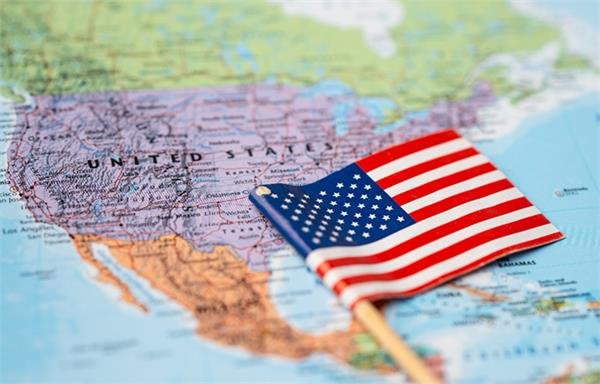
Tokyo, November 25, 2025 (BNN Web Staff) – Tensions in East Asia are reaching a boiling point as Japan deploys missiles to an island just 110 kilometers from Taiwan, prompting fierce backlash from Beijing. With China viewing the self-governing island as its unbreakable territory and Japan bolstering defenses in a region it considers vital to its security, fears of a broader conflict – even whispers of World War III – are growing louder. The United States, Taiwan’s longtime ally, has so far limited its response to diplomatic murmurs, leaving observers questioning Washington’s commitment amid the escalating standoff.
Taiwan: The Semiconductor Powerhouse at the Heart of the Crisis
Taiwan, a densely populated island nation surrounded by the Pacific, has long asserted its independence despite Beijing’s claims that it is a renegade province. Recognized as a sovereign state by a handful of countries, Taiwan punches far above its weight on the global stage as the world’s leading producer of high-tech semiconductors. These tiny chips power everything from refrigerators and smartphones to electric vehicles and military hardware, making Taiwan indispensable not just to China but to the entire global economy.
A Chinese invasion would not only devastate the island but could trigger a worldwide supply chain catastrophe. That’s why nations like the U.S. have pledged support – though recent reticence has fueled accusations that America is merely “watching the spectacle” as the drama unfolds.
Japan’s Missile Move: A Deterrent or Provocation?
In a bold escalation, Japan announced on Sunday that it is “steadily progressing” with plans to station medium-range surface-to-air missiles – likely Type 03 variants – on Yonaguni Island, its westernmost outpost. Defense Minister Shinjiro Koizumi, on his first visit to the base, emphasized that the deployment would “lower the chance of an armed attack on our country” and protect Yonaguni’s residents.
Yonaguni’s proximity to Taiwan makes it a strategic flashpoint. Just 110 km east of the island, it lies in Japan’s Nansei island chain, a vital defensive arc facing the East China Sea. Japan has already fortified nearby outposts: anti-ship missiles on Ishigaki Island and air surveillance systems on Miyako. Koizumi’s tour of these sites underscores Tokyo’s rapid militarization of the southwest, driven by China’s increasingly assertive naval drills in the region.
Bitter Rivalry: From Rhetoric to Red Lines
The timing couldn’t be more charged. Just weeks ago, Japanese Prime Minister Sanae Takaichi – the country’s first female leader – warned in parliament that a Chinese attack on Taiwan would pose an “existential threat” to Japan, potentially requiring Tokyo to join a U.S.-led military response. Takaichi’s remarks marked a historic shift, explicitly linking Taiwan’s fate to Japan’s survival – a stance previous administrations had avoided.
China wasted no time in firing back. Beijing branded the comments “provocative” and a “grave violation” of international norms, accusing Tokyo of crossing a “red line” and echoing “militaristic tactics” from Japan’s imperial past. Chinese diplomats have ramped up economic pressure, including threats to restrict Japanese imports, signaling zero tolerance for foreign meddling in what it calls its “core interest.”
Even within Japan, the rhetoric has stirred debate. Former Prime Minister Shigeru Ishiba criticized Takaichi’s approach as “grandstanding,” urging caution in diplomacy.
U.S. on the Sidelines: A Strategic Pause or Betrayal?
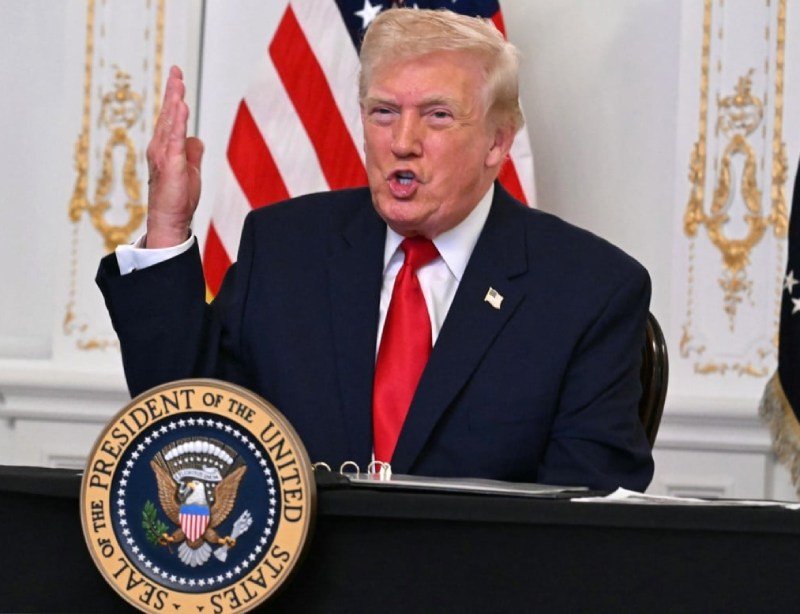
As China and Japan trade barbs, the U.S. – which sells arms to Taiwan and maintains a policy of “strategic ambiguity” – has offered only tepid support. Washington has reaffirmed its commitment to the region but stopped short of explicit threats against Beijing, prompting Taiwanese officials to praise Japan’s moves while subtly urging America to step up. Analysts warn that this perceived inaction could embolden China, especially as President Xi Jinping has ordered the People’s Liberation Army to prepare for unification by 2027 – by force if necessary.
Heading Toward Global Catastrophe?
With Japan’s missile buildup and China’s saber-rattling, the Taiwan Strait feels more like a powder keg than a waterway. Experts fear a miscalculation – a stray missile, a naval skirmish – could draw in the U.S., South Korea, and beyond, spiraling into the conflict the world dreads. As one Chinese analyst put it, Tokyo’s actions “expose Japan’s strategic ambitions” and risk turning the region into a tinderbox.
For now, the world watches anxiously. Taiwan’s semiconductors keep the global economy humming, but at what cost? If history is any guide, the echoes of world war may not be hyperbole – they could be a warning.