US-Venezuela Tensions Escalate: Trump Orders Blockade on Sanctioned Oil Tankers Amid Deadly Strikes on Alleged Drug Vessels
Caracas/Washington – December 19, 2025 (BNN Web Staff)–
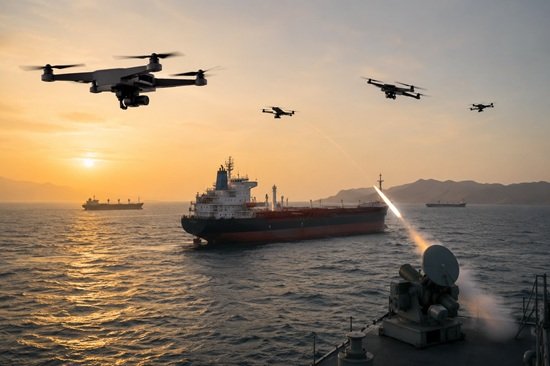
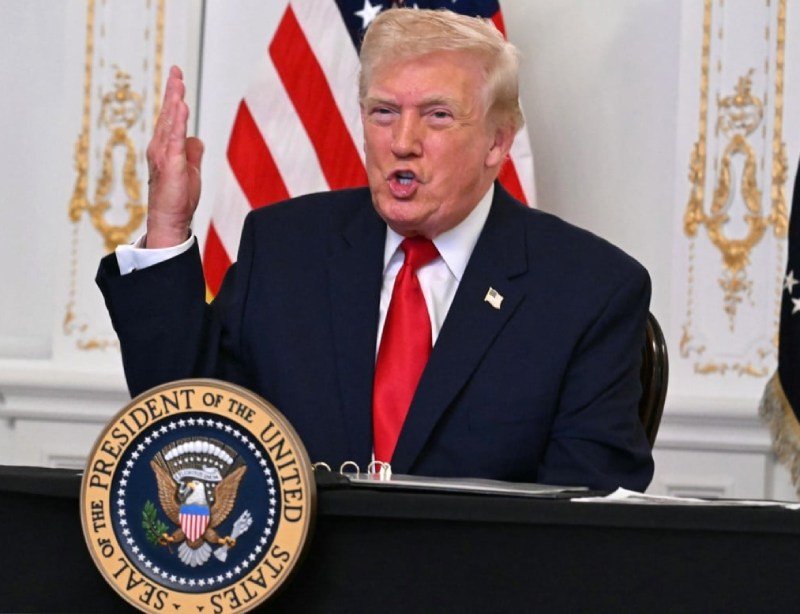
The standoff between the United States and Venezuela has reached a boiling point, with President Donald Trump ordering a “total and complete blockade” of all sanctioned oil tankers entering or leaving the South American nation. The move, announced Tuesday, targets Venezuela’s vital oil exports – its primary revenue source – and follows a series of lethal U.S. military strikes on vessels accused of drug trafficking, which have killed nearly 100 people since September.
Defense Secretary Pete Hegseth confirmed Wednesday that a recent “lethal kinetic strike” in the eastern Pacific Ocean killed four individuals on a vessel allegedly involved in “narco-trafficking operations,” pushing the campaign’s death toll to 99.
The administration insists the actions are part of a war on drugs, but critics – including Venezuelan President Nicolás Maduro and international observers – accuse Washington of pursuing regime change under the guise of counter-narcotics, with oil as the true prize.
Trump’s Blockade: Targeting Venezuela’s Economic Lifeline
In a fiery Truth Social post, Trump declared Venezuela’s government a “foreign terrorist organization” and vowed the blockade would remain until Caracas returns “all of the oil, land, and other assets that they previously stole from us.” The order affects hundreds of “shadow fleet” tankers evading prior sanctions, potentially slashing Venezuela’s exports by hundreds of thousands of barrels per day and spiking global oil prices.
The U.S. has already seized one tanker last week and amassed its largest Caribbean naval force in decades, including the USS Gerald R. Ford carrier group.
Deadly Strikes: From Caribbean to Pacific
Since September, U.S. forces have conducted over two dozen airstrikes on boats in international waters, claiming they carry narcotics linked to Venezuelan cartels. The operations – dubbed “Operation Southern Spear” – have expanded from the Caribbean to the eastern Pacific, with no public evidence released tying the vessels directly to drugs.
Maduro has denounced the strikes as “acts of piracy” and “modern barbarism,” while UN human rights experts and legal scholars question their legality under international law.
Venezuela’s Defiant Response: Escorts and International Appeals
In defiance, Venezuela’s navy has begun escorting its tankers through the eastern Pacific and Caribbean, heightening risks of direct confrontation. Maduro, in a phone call with UN Secretary-General António Guterres, warned of an “escalation of colonial threats” endangering regional peace. Guterres reaffirmed commitment to international law and de-escalation.
China, Venezuela’s largest oil buyer, voiced strong support: Foreign Minister Wang Yi told his counterpart that Beijing “opposes unilateral bullying” and backs nations defending sovereignty.
Regional leaders like Mexico’s Claudia Sheinbaum and Brazil’s Luiz Inácio Lula da Silva urged UN intervention to avert bloodshed, with Lula offering to mediate.
Beneath the Rhetoric: Oil, Power, and Regime Change?
While the White House cites drug flows (despite Venezuela not being a major fentanyl source), administration insiders and analysts suggest the real goal is ousting Maduro – whose disputed reelection and economic mismanagement have isolated him globally. Venezuela holds the world’s largest proven oil reserves, and Trump’s claims of “stolen” U.S. assets echo historical nationalizations under Hugo Chávez.
As naval forces shadow each other and oil markets jitter, the crisis tests hemispheric stability. Will diplomacy prevail, or will a miscalculation ignite open conflict? The world watches a high-stakes game where drugs, oil, and power collide.