North Korea Elections: Supreme Leader Kim Jong Un Casts Vote at Coal Mine
Pyongyang: March 16, 2026
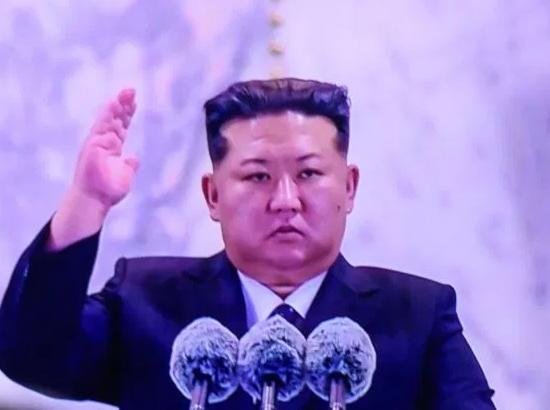
Elections for North Korea’s highest legislative body were held on Sunday, March 15. In a significant symbolic move, Supreme Leader Kim Jong Un himself participated in the voting process. State media released footage showing the leader casting his ballot at a polling station established within a coal mine. According to the North Korean Election Commission, approximately 99.1% of eligible voters exercised their right to vote.
These elections are held every five years. In North Korea, the supreme house is responsible for enacting laws and managing policies across all sectors of government. Kim Jong Un serves as the leader of this house, where the opposition plays no role.
How is the Government Run in North Korea?
North Korea operates under a unified communist government led by Supreme Leader Kim Jong Un. Inheriting power from his father, Kim also serves as the chief of the North Korean military and holds all major executive powers. He remains the ultimate decision-maker for the nation.
However, there is a supreme house known as the Supreme People’s Assembly (SPA), where decisions related to the government are formalized. The assembly consists of 687 seats. Kim’s Workers’ Party of Korea contests these seats alongside coalition allies.
How are Elections Conducted?
According to state principles, the North Korean constitution grants the right to vote. Citizens over the age of 17 can contest and vote, regardless of their ideology. Notably, abstaining from voting is considered an act of treason; therefore, participation is mandatory for all citizens.
Once an election is announced, a voter list is published. Citizens living abroad, particularly in China and Russia, also retain the right to vote. Voting is conducted via paper ballots where voters mark a tick next to the candidate’s name. If a voter wishes to vote against a candidate, they must do so publicly.
One Candidate Per Seat
The selection of candidates occurs at the local level through a “debate system” overseen by an election committee. Typically, there is only one candidate per seat. The voting process is largely a demonstration of support for that specific candidate.
Experts suggest that elections in North Korea are largely symbolic. They argue that Kim Jong Un utilizes these elections to diffuse local-level grievances, ensuring he is not held personally responsible for minor administrative issues.