Trump Shares Article Suggesting Naval Blockade Option Against Iran After Failed Talks in Islamabad
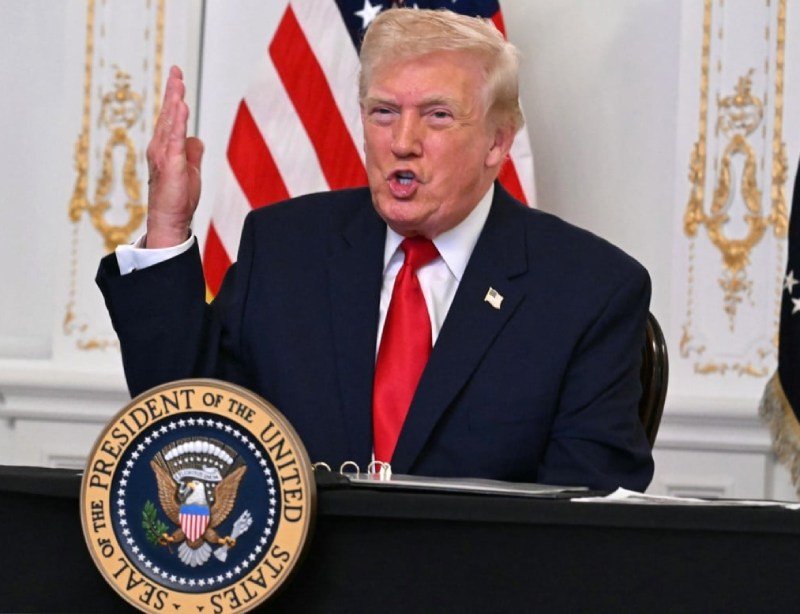
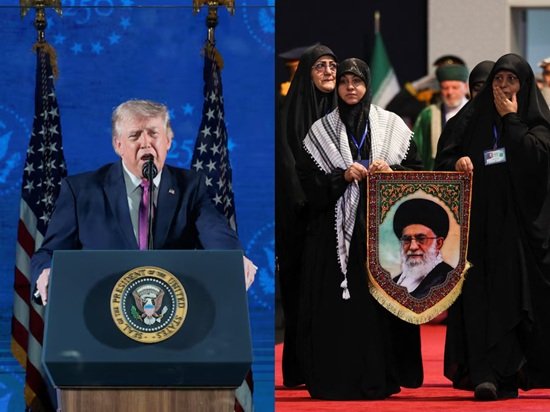
Washington DC (US), BNN Web Staff: US President Donald Trump on Sunday shared an article on his Truth Social account indicating that a naval blockade could be considered as a possible option against Iran, following the collapse of peace negotiations held in Islamabad. The talks reportedly ended in deadlock after disagreements emerged over issues including the Strait of Hormuz and Iran’s nuclear programme.
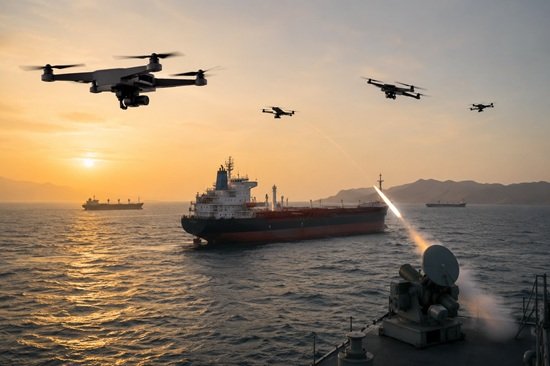
The shared article, originally published by Just the News, argued that the United States could “out-blockade” Iran in the strategically vital Strait of Hormuz. It cited defence experts who suggested that the US Navy has the capability to establish strong control over maritime traffic in the region if tensions escalate further.
The report also pointed to increased US naval presence in the Persian Gulf, including major aircraft carrier deployments, as a factor that could strengthen enforcement of any potential blockade scenario. One expert quoted in the article claimed it would be “very easy” for the US Navy to monitor and control shipping movements through the narrow waterway.
The development comes as diplomatic efforts between Washington and Tehran remain stalled. US Vice President JD Vance, who led the American delegation in Islamabad, confirmed that while some progress had been made on certain issues, no final agreement was reached. He described the outcome as more damaging for Iran than for the United States.
Iranian officials, meanwhile, maintained that their negotiators are working to protect national interests and insist that any agreement must respect what they describe as Iran’s legitimate rights. Tehran has also reiterated that diplomacy remains an option, but only under conditions it considers fair and balanced.
The Strait of Hormuz, a key global energy route, remains a central flashpoint amid ongoing tensions in West Asia, with maritime security and oil flows increasingly uncertain as geopolitical disputes intensify.