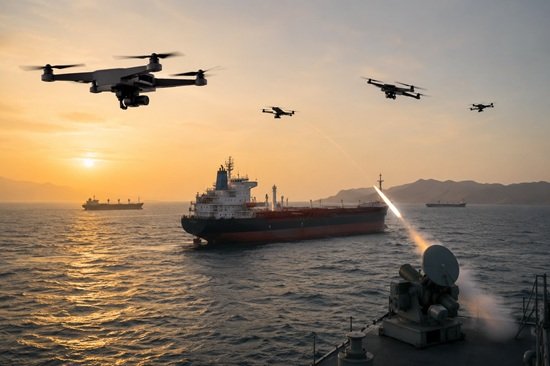
Tehran (Iran), May 17, 2026, BNN Web Staff: Iran has warned that it will no longer allow the transit of what it described as “enemy” military equipment through the strategically important Strait of Hormuz, signalling a tougher stance amid ongoing tensions in the Middle East.
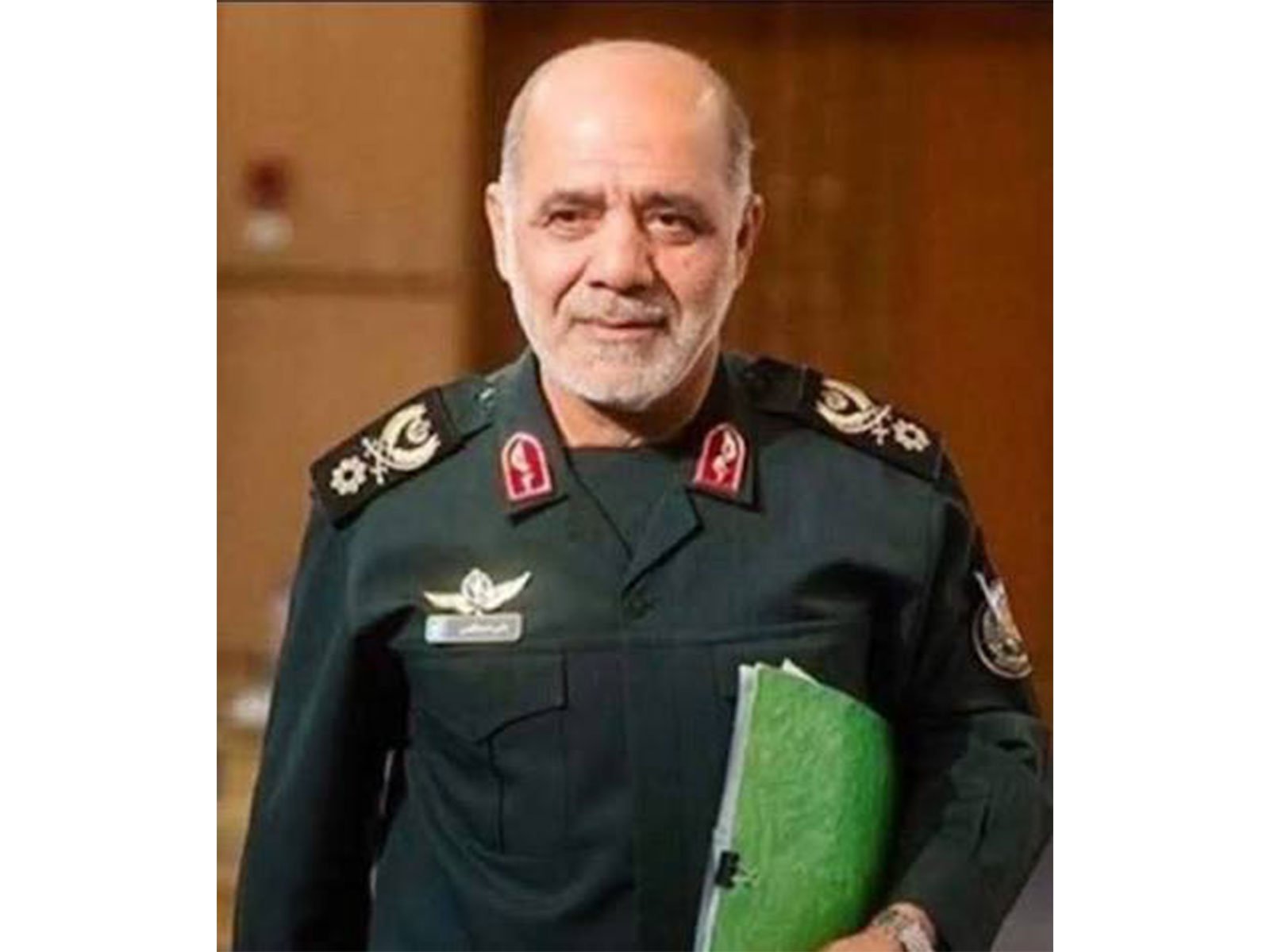
Iran’s First Vice President Mohammad Reza Aref said Tehran had previously permitted the movement of military equipment through the strait even when such equipment was allegedly intended to be used against Iran, but declared that the country would not continue that policy.
“We had given up our right of sovereignty over the Strait of Hormuz in the past and allowed military equipment to pass through even when it could be used against us. We will not permit that again,” Aref said, according to reports.
The warning came shortly after Ebrahim Azizi, head of the Iranian Parliament’s National Security Committee, announced that Iran had prepared a new mechanism to regulate maritime traffic in the Strait of Hormuz.
In a statement shared on X, Azizi said the proposed framework was designed under Iran’s national sovereignty and aimed at ensuring international trade security. He stated that only commercial ships and countries cooperating with Iran would benefit from the designated maritime route and related services.
Azizi also indicated that operators linked to what he referred to as the US-led “freedom project” would not be permitted access to the route.
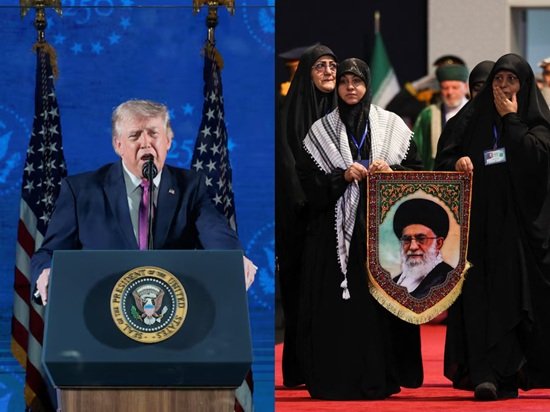
The latest remarks come amid continuing geopolitical tensions involving United States and Iran over nuclear issues and regional security.
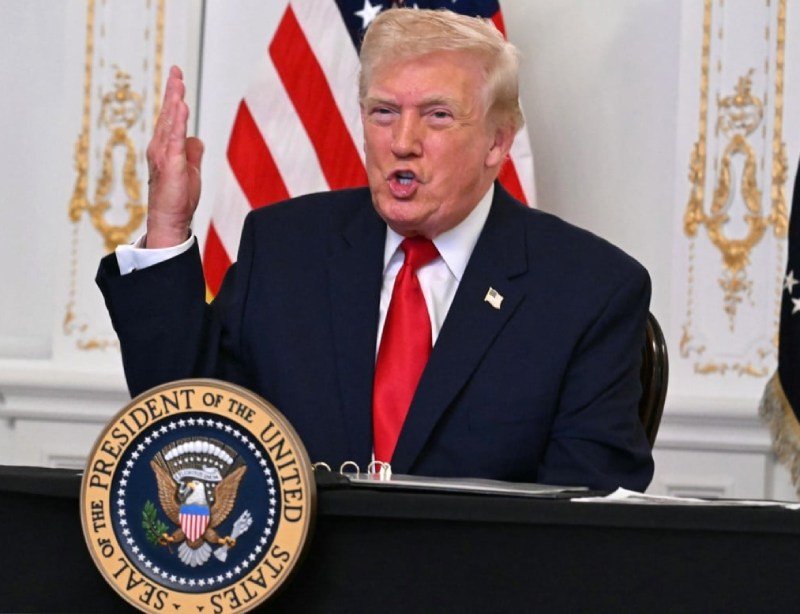
Meanwhile, Donald Trump said after meeting Xi Jinping in China that both leaders agreed Iran should not possess nuclear weapons and that the Strait of Hormuz should remain open.
Speaking to reporters aboard Air Force One, Trump claimed the United States effectively controls the strategic waterway and alleged that Iran had suffered massive financial losses due to a US naval blockade in the region over recent weeks.
The Strait of Hormuz remains one of the world’s most critical oil shipping routes, carrying a significant portion of global energy supplies. Any restrictions or disruptions in the region are closely watched by international markets and governments.