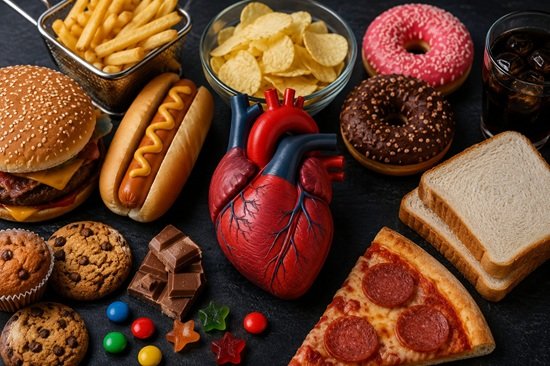
Washington DC (US), May 11, 2026, BNN Web Staff: A major new European cardiology report has warned that high consumption of ultra-processed foods (UPFs) may significantly increase the risk of heart disease, obesity, diabetes, high blood pressure, and even premature cardiovascular death.
The findings suggest that people who consume the highest levels of ultra-processed foods face a noticeably greater risk of cardiovascular problems compared to those who eat minimal amounts of such products.
Ultra-processed foods typically include packaged items that are high in added sugar, salt, unhealthy fats, and artificial additives.
Researchers say these foods can interfere with normal metabolism, increase inflammation in the body, and encourage overeating—even when they are marketed as “healthy” options.
Key findings of the study
The report, published in the European Heart Journal, brings together evidence from multiple studies examining the link between diet and cardiovascular health. It highlights several major risks associated with UPF consumption:
Up to 19% higher risk of heart disease
Around 13% higher risk of irregular heart rhythms (atrial fibrillation)
Up to 65% higher risk of death from cardiovascular disease in high consumers compared to low consumers
Increased risk of obesity, type 2 diabetes, high blood pressure, and unhealthy fat levels in the blood
Researchers also noted that ultra-processed foods now make up a large share of daily calorie intake in several countries, reaching 61% in the Netherlands and 54% in the United Kingdom, while remaining lower in countries like Spain, Portugal, and Italy.
Experts call for changes in healthcare advice
The report was prepared by experts linked to the European Society of Cardiology and the European Association of Preventive Cardiology, along with researchers from several European universities and medical institutes.
Lead experts, including Professor Luigina Guasti and Dr. Marialaura Bonaccio, said the evidence shows a consistent link between ultra-processed food intake and cardiovascular risks.
They urged doctors to begin asking patients about ultra-processed food consumption as part of routine health check-ups and to guide them in reducing intake alongside advice on exercise, smoking cessation, and overall nutrition.
Why experts are concerned
Researchers explained that ultra-processed foods are not only high in unhealthy nutrients but also contain additives and undergo industrial processing that may alter how the body reacts to them.
They said these factors may contribute to inflammation, metabolic imbalance, changes in gut health, and long-term overeating patterns.
While the evidence is strongly consistent, researchers noted that most studies so far are observational and called for long-term clinical trials to better understand the impact of reducing ultra-processed food consumption.
Call for stronger public action
The study authors have recommended updated dietary guidelines, clearer food labelling, and stronger public health awareness campaigns focused not only on nutrients but also on the level of food processing.
They emphasized that even foods with a seemingly healthy nutritional profile can be harmful if highly processed.