Geneva (Switzerland), June 16, 2026, BNN Web Staff:The World Health Organization (WHO) has reported significant progress in improving the safety and availability of blood supplies worldwide, driven largely by voluntary blood donations.
However, the organization has warned that major disparities in access to safe blood and blood products continue to put millions of lives at risk, particularly in low-income countries.
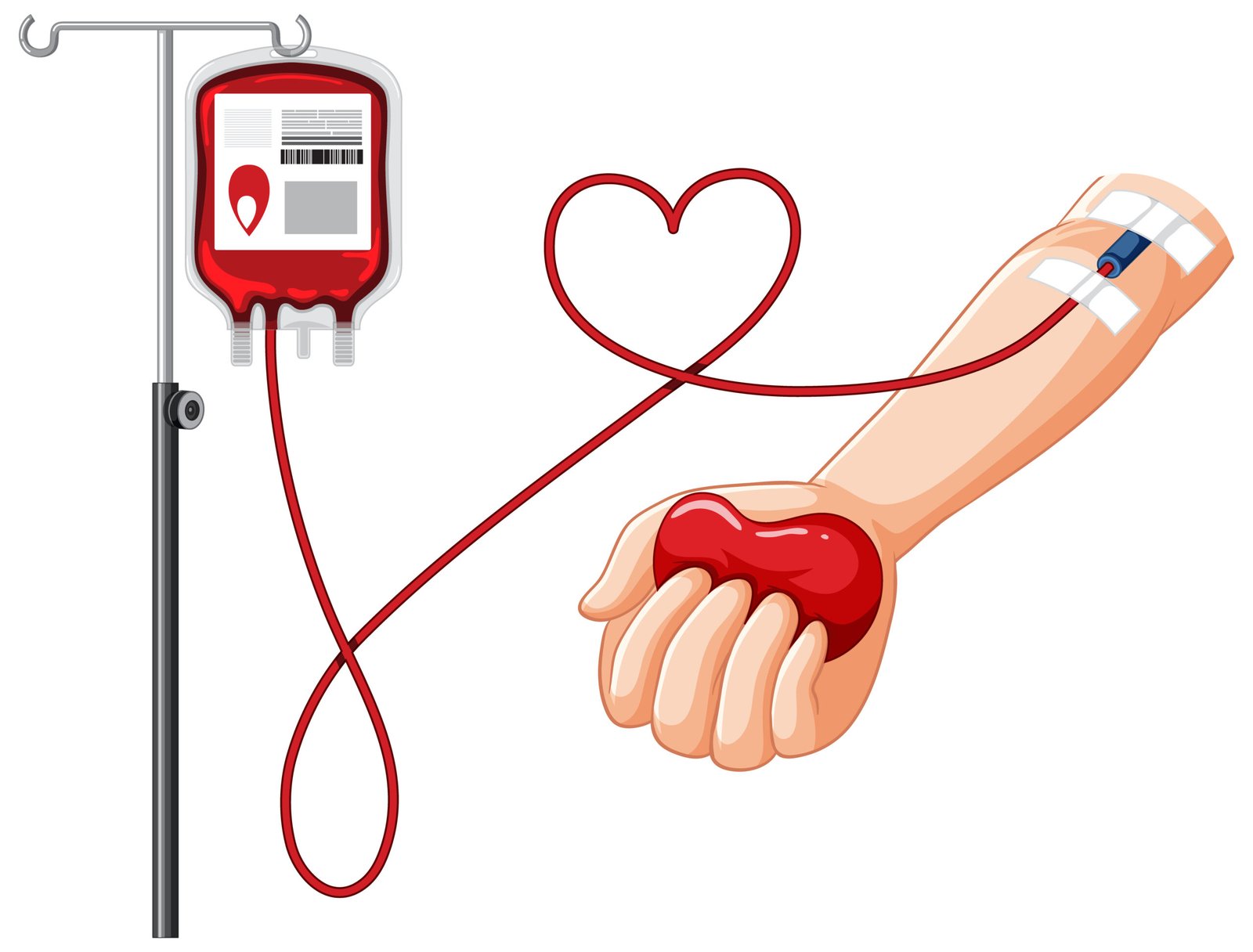
According to new WHO data collected from 132 countries, global blood donations increased by nearly 19 percent between 2013 and 2023.
More than 85 percent of the estimated 120 million blood donations recorded in 2023 came from voluntary, unpaid donors, highlighting the growing role of community participation in strengthening national blood systems.
Despite this progress, WHO noted that access to safe blood remains highly uneven.
Patients requiring emergency transfusions—including women suffering severe bleeding during childbirth, children with serious anaemia, accident victims, burn patients, and people living with conditions such as sickle-cell disease, thalassaemia, haemophilia, immune disorders and certain cancers—often struggle to obtain timely treatment in many parts of the world.
WHO Director-General Tedros Adhanom Ghebreyesus emphasized that no one should lose their life because safe blood is unavailable when needed. He praised the growing contribution of voluntary blood donors but stressed that access to life-saving transfusions still depends too heavily on where a person lives.
The report highlights stark inequalities in blood collection worldwide. Although high-income countries account for only 15 percent of the global population, they collect 36 percent of all blood donations.
In contrast, many low-income nations continue to face shortages due to limited funding, weak healthcare infrastructure, logistical challenges and inadequate donor recruitment programmes.
Blood donation rates also vary significantly across countries, ranging from just 0.4 donations to as many as 53 donations per 1,000 people. Twenty-four countries reported fewer than five donations per 1,000 population, indicating severe limitations in meeting transfusion demands.
The WHO also raised concerns about weaknesses in governance and regulation. Nearly one-third of countries still lack specific legislation governing the safety and quality of blood and blood products.
Only 64 percent of countries conduct regular inspections of blood services, while 62 percent operate licensing systems and just 40 percent have accredited blood transfusion services.
Funding remains another major challenge. More than one in seven countries reported having neither dedicated government funding nor cost-recovery mechanisms to support blood services, raising concerns about the long-term sustainability of national blood supplies.
Ahead of World Blood Donor Day observed on June 14, WHO called on governments and healthcare partners to strengthen blood service governance, ensure sustainable financing, improve quality standards and expand voluntary blood donation programmes.
This year’s World Blood Donor Day campaign carries the theme **”One Drop of Humanity. Give Blood. Save Lives,”** recognizing the vital role of voluntary donors in saving lives, supporting communities and building stronger healthcare systems worldwide.